Best of Malaysia
ferrovic.com
alkaline degreaser, automotive degreaser, citrus degreaser, commercial cleaning chemicals, degreaser, degreaser supplier Selangor, food-grade degreaser Malaysia, heavy-duty degreaser Kuala Lumpur, industrial degreaser Malaysia, workshop cleaning supplies
Best
0 Comments
Industrial Degreaser Guide: Best Heavy-Duty Cleaners in KL & Selangor
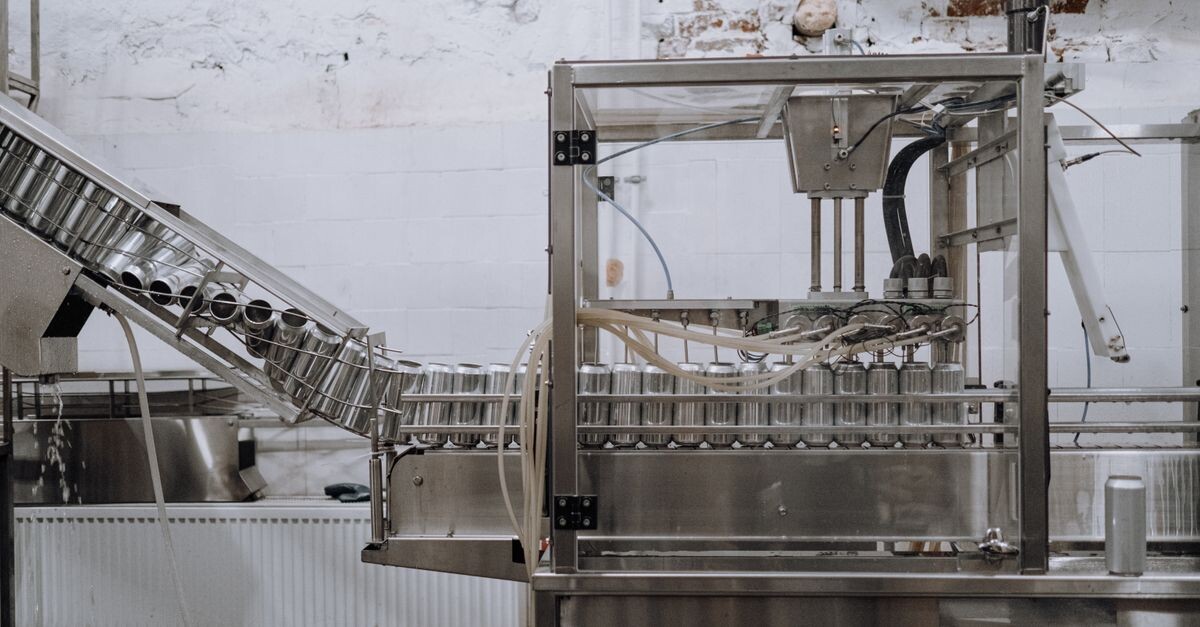
Industrial Degreaser Guide: Best Heavy-Duty Cleaners in Kuala Lumpur & Selangor
Quick answer: Grease, oil, and carbon buildup slow down machinery, create safety hazards, and trigger non-compliance penalties in Malaysian workshops. Choosing the right industrial degreaser in Kuala Lumpur or Selangor determines cleaning speed, surface safety, and long-term maintenance cost. This guide breaks down degreaser chemistry, application methods, local supplier standards, and procurement tips for facilities across the Klang Valley.
For curated Malaysian suppliers, start with the Ferrovic.com category on Interesting Indeed or review the official Ferrovic cleaners and degreasers catalogue.
What Is an Industrial Degreaser?
Quick answer: An industrial degreaser is a chemically engineered solvent or detergent formulated to emulsify, saponify, or dissolve hydrophobic contaminants such as petroleum oil, grease, cutting fluid, hydraulic residue, and carbonised carbon. Unlike household detergents, industrial grades operate at 5–100% active concentration and are classified by pH, flash point, and VOC content to meet Malaysian DOSH and DOE guidelines.
Which Degreaser Chemistry Works Best in Malaysia?
Quick answer: Three core chemistries dominate the Malaysian market. The right choice depends on your soil type, substrate, and halal or environmental compliance requirements rather than brand preference.
- Alkaline degreasers (pH 11–13): Contain sodium hydroxide, sodium metasilicate, or potassium hydroxide. Best for animal fats, vegetable oils, and protein-based soils common in Selangor food processing plants.
- Solvent-based degreasers: Petroleum distillates, d-limonene, or isoparaffins. Ideal for heavy hydrocarbon contamination in automotive workshops and engine rebuild facilities.
- Citrus / terpene degreasers: Made from orange peel extracts (d-limonene). A biodegradable middle ground favoured by halal-certified food plants and environmentally conscious operations.
How Do You Choose a Degreaser for Your Facility?
Quick answer: Match the degreaser to the substrate, contaminant, and disposal pathway. A wrong selection can corrode aluminium, damage seals, or breach effluent discharge limits enforced by LUAS in Selangor.
Step-by-Step Selection Process
- Identify the soil type: Petroleum oil, animal fat, wax, or carbon residue each respond to different surfactants.
- Confirm substrate compatibility: Aluminium, painted steel, rubber seals, and electronics react differently. Check the technical data sheet for dwell time and dilution ratio.
- Verify regulatory clearance: For food-contact surfaces, ensure a Malaysian Food Safety Act compliance certificate. For workshops, confirm the flash point exceeds 60°C to satisfy DOSH storage rules.
- Calculate dilution economics: A concentrated alkaline degreaser diluted at 1:20 delivers a lower cost-per-litre than ready-to-use sprays, but only if the facility has a dosing system.
- Test on a 10 cm² patch before full deployment, then document dwell time, rinse behaviour, and surface finish.
What Are the Main Types of Degreasers Sold in Malaysia?
Quick answer: Malaysian buyers typically select from five commercial categories. Each carries specific PPE, handling, and disposal obligations under the Occupational Safety and Health Act 1994 (Act 514).
- Heavy-duty alkaline degreasers: Designed for metal fabrication, CNC machines, and stamping presses in Shah Alam and Subang Jaya.
- Citrus water-based degreasers: Used in halal-compliant F&B facilities and pharmaceutical cleanrooms.
- Solvent emulsion degreasers: Common in automotive service centres around Jalan Klang Lama and Petaling Jaya.
- Foaming degreasers: Cling to vertical surfaces; preferred for food processing walls and conveyor lines.
- Enzymatic / bio-degreasers: Bacterial cultures break down grease in grease traps and floor drains.
Where Can You Buy Industrial Degreasers in Kuala Lumpur and Selangor?
Quick answer: Klang Valley procurement officers source from authorised Petaling Jaya distributors, direct importers with DOSH-registered warehouses, and verified online catalogues. Ferrovic consolidates heavy-duty alkaline, citrus, and foam-cling formulations suited to Malaysian ambient conditions (28–34°C, 70–90% humidity).
Browse the Ferrovic cleaners and degreasers catalogue or see the wider Ferrovic.com product index on Interesting Indeed.
What Should You Check Before Ordering?
- Certificate of Analysis (COA) for every batch, especially for food-grade applications.
- Safety Data Sheet (SDS) aligned with GHS classification and USECHH 1997.
- Lead time: Local Selangor stock ships within 24–48 hours; imported container orders require 30–45 days.
- Bulk pricing tiers: Many Kuala Lumpur suppliers offer 5%, 10%, and 18% discounts at 200 L, 1,000 L, and 5,000 L breakpoints.
How Do You Apply Degreaser Safely and Effectively?
Quick answer: Correct application reduces chemical consumption by up to 40% and extends equipment service life. Always follow the hierarchy of controls mandated by DOSH and the manufacturer SDS.
- Wear PPE: Nitrile gloves, chemical splash goggles, and an organic vapour respirator if the flash point is below 60°C.
- Pre-clean loose debris with a brush or pressure washer at 80–120 bar to reduce degreaser load.
- Apply bottom-up on vertical surfaces to avoid streaking and ensure full dwell-time coverage.
- Agitate with a non-abrasive pad on stubborn carbon; allow 3–10 minutes dwell time depending on soil thickness.
- Rinse with low-pressure water (40–60 psi) and capture runoff in an oil-water separator if discharging to the public sewer.
Frequently Asked Questions (FAQs)
What is the best degreaser for heavy machinery in Malaysia?
Quick answer: Heavy-duty alkaline degreasers with a pH of 12–13 are most effective for petroleum-based contamination on CNC machines, hydraulic presses, and stamping equipment. Formulations with sodium metasilicate and non-ionic surfactants suspend soil faster.
Is citrus degreaser safe for food processing plants in Selangor?
Quick answer: Yes. Citrus (d-limonene) degreasers are widely accepted in halal-certified F&B facilities because they are biodegradable, non-caustic, and leave no toxic residues when rinsed. Verify the supplier provides a Malaysian Food Safety Act compliance certificate.
How often should industrial degreaser be applied in a workshop?
Quick answer: Automotive and fabrication workshops in Kuala Lumpur typically degrease floors and machinery every 7–14 days to prevent slip and fire hazards. High-volume production lines may require daily spot-cleaning of conveyor bearings and hydraulic stations.
Can degreaser damage painted surfaces or aluminium parts?
Quick answer: Strong alkaline degreasers above pH 12 can etch aluminium and lift paint if dwell time exceeds 10 minutes. Always dilute per the technical data sheet and test on an inconspicuous area before full application.
Where can I buy bulk degreaser in Kuala Lumpur at wholesale prices?
Quick answer: Klang Valley buyers can source from chemical distributors in Petaling Jaya or browse the Ferrovic cleaners and degreasers catalogue, which lists bulk tiers starting at 200 L drums.
What is the difference between degreaser and industrial detergent?
Quick answer: Degreasers target hydrophobic oils and greases using surfactants, saponifiers, or solvents. Industrial detergents are general-purpose cleaners designed for particulate soils, dust, and water-based residues rather than hydrocarbon films.
Share this content: