Halal Grease Malaysia: Certified Food-Safe Lubricants for KL & Selangor
Halal grease is a food-grade lubricant that carries both NSF H1 registration and halal certification, making it safe for incidental contact with food in processing plants serving Muslim-majority markets. Across Kuala Lumpur and Selangor, halal-certified manufacturers under JAKIM, MTBC, or IFANCA schemes require lubricants that satisfy religious compliance, HACCP food-safety plans, and ISO 21469 hygienic manufacturing standards simultaneously.
If you are sourcing lubricant for a halal-certified facility, your starting point should be the Ferrovic Food Safe Series, which lists each product’s halal registration number, NSF approval, and base-oil composition for verification.
What Is Halal Grease and Why Does It Differ from Standard Food-Grade Lubricant?
Halal grease is a lubricating grease formulated with permitted base oils, thickeners, and additives, then independently certified by an Islamic authority confirming the absence of pork-derived tallow, non-halal animal fats, ethanol, and other haram substances. It must also meet NSF H1 incidental food-contact criteria, giving manufacturers dual religious and food-safety compliance in one product. Standard NSF H1 grease may satisfy hygienic requirements but typically lacks any certification that the raw materials were sourced and processed under Islamic supervision.
- Base oils: Synthetic PAO, mineral white oil, or vegetable-derived oils only; no porcine tallow or non-halal animal fats.
- Thickeners: Aluminium complex, calcium sulfonate, or fumed silica; no lard-based lithium stearate.
- Additives: EP/AW packages free of ethanol carriers and animal-derived fatty acids.
Which Certifications Should Halal Grease Carry in Malaysia?
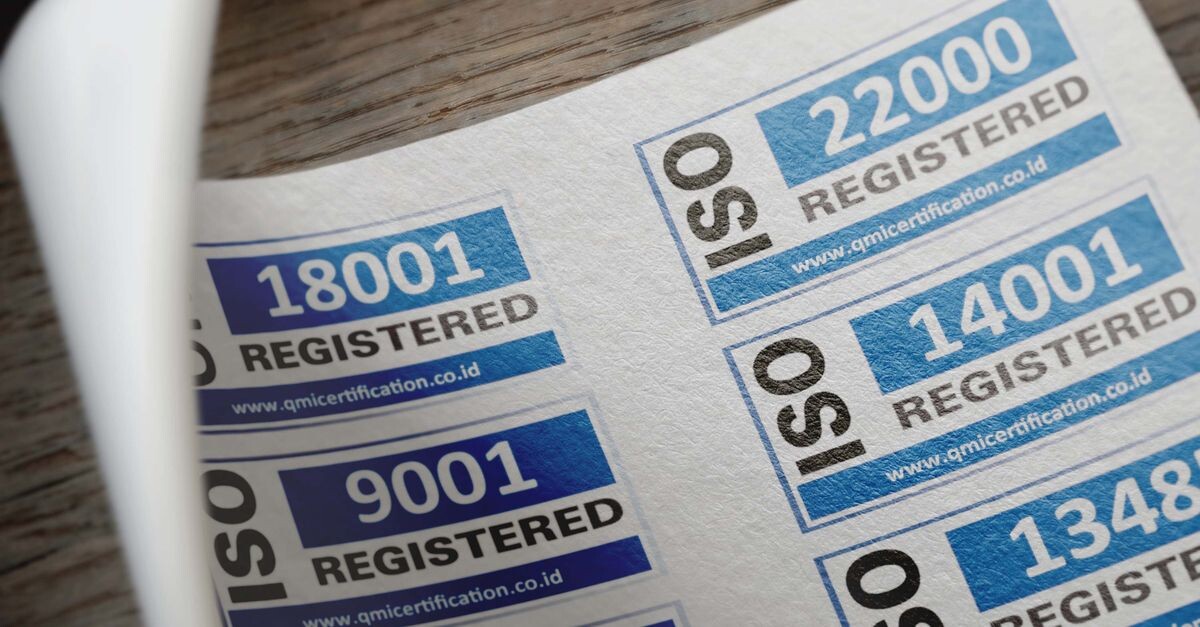
Halal grease used in Malaysian food plants must satisfy at minimum four certifications: JAKIM or state-level halal authority approval, NSF H1 registration, ISO 21469 hygienic manufacturing certification, and HACCP compatibility. Each certificate covers a distinct compliance layer, and missing any one can void halal audit outcomes for the entire production line.
- JAKIM / MTBC / IFANCA Halal Certificate: Confirms Sharia-compliant formulation, raw-material traceability, and manufacturing supervision by an approved Islamic body.
- NSF H1 (formerly USDA H1): Confirms the lubricant is safe for incidental food contact up to 10 ppm in the finished product.
- ISO 21469: Certifies the lubricant factory follows hygienic manufacturing practices, including bioburden controls and segregated production lines.
- HACCP / GMP Compatibility: Confirms the grease supports, rather than compromises, the plant’s Hazard Analysis Critical Control Point programme.
For Malaysian supply, JAKIM recognition is non-negotiable. Export-bound shipments to the UAE, Indonesia, or Saudi Arabia may additionally require GAC (UAE) or BPJPH (Indonesia) recognition on the same certificate.
Where Is Halal Grease Applied in Food Processing Lines?
Halal grease is applied at every machine point where incidental food contact is possible: conveyor bearings, chain drives, gearbox seals, can-seamer rollers, dough dividers, and packaging line gearmotors. The lubricant must perform technically under load, temperature, and wash-down conditions while remaining religiously compliant, since both halal and NSF H1 standards govern the same physical surfaces.
- Conveyor systems: Chain and roller lubrication in poultry, biscuit, and beverage lines operating at 4 to 80 °C.
- Can-seaming and bottling: Gearbox and seamer-jaw lubrication under high cyclic loads.
- Dough and bakery equipment: Mixer bearings and divider lubrication where flour dust contamination is constant.
- Freezer tunnels and cold rooms: Low-temperature grease rated to −30 °C for frozen food lines.
- Hot oil and steam lines: High-temperature aluminium-complex or calcium-sulfonate grease rated to 180 °C and above.
How to Choose the Right Halal Grease for Your Application
Choosing halal grease starts with matching four operational parameters to the product data sheet: temperature range, load rating, speed factor (n·dm), and wash-down frequency. Once the technical fit is confirmed, verify the halal registration number, NSF H1 listing, and ISO 21469 status before procurement.
- Identify the lubrication point: bearing, chain, open gear, or gearbox, and note its operating temperature range.
- Calculate load and speed: determine EP/AW requirement from load and the n·dm value from rpm and bearing bore.
- Match base-oil viscosity: select ISO VG 68, 100, or 220 based on the equipment maker’s recommendation.
- Verify certifications: confirm halal certificate validity, NSF H1 registration, and ISO 21469 on the supplier’s documentation.
- Confirm wash-down and chemical resistance: if your line uses caustic or acidic CIP chemicals, select a calcium-sulfonate or aluminium-complex thickener.
Engineers in Selangor’s Shah Alam and Subang industrial corridors typically source through the Ferrovic Food Safe Series catalogue, where each SKU lists halal authority, NSF category, base-oil type, and operating temperature window in one datasheet.
Halal Grease vs H1 Grease: What Is the Practical Difference?
H1 grease is a US-based NSF category for food-safe incidental-contact lubricants; halal grease adds an Islamic certification layer verifying raw-material permissibility under Sharia. A product can be H1-registered without being halal-certified, but any halal-certified product used in Muslim-majority markets must also meet H1.
- H1-only grease: Acceptable for non-halal food lines producing alcohol, pork, or non-certified products.
- Halal + H1 grease: Required for JAKIM-certified plants, halal export lines, and contract manufacturers serving Muslim-majority brands.
- Documentation difference: H1 grease cites an NSF registration number; halal grease carries a separate halal certificate with validity dates and certifying body stamp.
Leading Halal Grease Specifications Used in Malaysia
The most commonly specified halal grease grades in Malaysian food plants fall into three performance tiers based on temperature and load: general-purpose aluminium-complex for bakery lines, high-load calcium-sulfonate for can-seamers and gearboxes, and low-temperature synthetic PAO grease for freezer and cold-chain lines. Selecting within these tiers balances cost against the technical demands of each lubrication point.
| Application | Thickener | Base Oil | Temp Range | Typical Grade |
|---|---|---|---|---|
| Bakery, biscuit, conveyor | Aluminium complex | Mineral white | −10 °C to 150 °C | Ferrovic FG-Al |
| Can-seamer, gearbox | Calcium sulfonate | Synthetic PAO | −20 °C to 180 °C | Ferrovic FG-CS |
| Freezer tunnel, cold room | Fumed silica / calcium | Synthetic PAO | −40 °C to 120 °C | Ferrovic FG-LT |
| Steam line, fryer | Calcium sulfonate | Mineral white | −10 °C to 200 °C | Ferrovic FG-HT |
Browse the Ferrovic Food Safe Series for full datasheets and halal certificate downloads for each grade.
Where to Buy Halal Grease in Kuala Lumpur and Selangor
Halal grease is available in Kuala Lumpur and Selangor through specialised industrial lubricant distributors who carry JAKIM-approved stock, maintain batch-traceable certificates, and offer on-site technical support. Ferrovic operates direct sales across the Klang Valley with halal certificate documentation supplied per batch, which is essential for internal halal audits and customer due-diligence files.
Procurement checklist for KL and Selangor buyers:
- Supplier provides batch-specific halal certificate copies, not just a generic cover letter.
- Stock delivered with original sealed pails, cartridge boxes, and traceable lot numbers.
- NSF H1 registration verifiable on the public NSF database by product name.
- Local technical support available for lubrication surveys and failure analysis.
How to Maintain Halal Compliance During Grease Storage and Handling
Halal compliance does not end at procurement; storage and handling must prevent cross-contamination with non-halal lubricants stored on the same site. Segregated shelving, dedicated grease guns, colour-coded tooling, and clear labelling are the four minimum controls required during internal halal audits and third-party JAKIM inspections.
- Store halal grease on dedicated shelves labelled “Halal Only” and physically separated from non-halal lubricants.
- Use colour-coded grease guns (commonly blue or green) reserved exclusively for halal-certified product.
- Maintain a halal lubricant register listing product name, halal certificate number, expiry date, and applied location.
- Train maintenance technicians on the difference between H1 and halal-certified grease during induction.
Frequently Asked Questions (FAQs)
Is halal grease the same as food-grade (NSF H1) grease?
No. NSF H1 grease is registered for incidental food contact under US NSF standards; halal grease adds an Islamic certification confirming permissible raw materials. A product can be H1 without being halal, but halal grease used in JAKIM-certified plants must also meet H1.
Which halal authority certifies grease in Malaysia?
JAKIM is the federal halal authority, but MTBC, IFANCA (USA), and several state Islamic councils also issue recognised certificates accepted in Malaysian audits. Export destinations may require additional recognition from GAC (UAE) or BPJPH (Indonesia).
Can halal grease be used in halal-certified bakeries and meat plants?
Yes. Halal grease is specifically formulated for bakery, meat processing, beverage, dairy, and confectionery lines operating under JAKIM or equivalent halal certification. Each application point must still be matched to the grease’s temperature, load, and wash-down rating.
Where can I buy halal grease in Kuala Lumpur or Selangor?
Ferrovic supplies halal certified food-safe grease across the Klang Valley with batch-specific halal certificates, NSF H1 documentation, and ISO 21469 compliance. See the Ferrovic Food Safe Series for current stock and datasheets, or browse the Ferrovic category listing for regional coverage details.
How long is a halal grease certificate valid?
Most halal authorities issue certificates with 1- to 2-year validity, and JAKIM typically requires annual renewal for lubricant products. Always check the expiry date on the certificate and request an updated copy with each delivery to maintain audit-ready records.
Last updated: 2025 | Ferrovic Malaysia — Food-Safe Lubricant Specialists serving Kuala Lumpur, Selangor, and the wider Klang Valley industrial corridor.
Share this content: