aec.com.my
Best of Malaysia
B2B packaging procurement, custom pouches Malaysia, flexible packaging supplier, FSSC 22000 packaging, halal packaging Malaysia, Klang Valley converter, Kuala Lumpur packaging, Malaysia flexible packaging, stand-up pouch manufacturer, sustainable packaging 2026
Best
0 Comments
Flexible Packaging Supplier in Kuala Lumpur: 2026 B2B Procurement Guide
Flexible Packaging Supplier in Kuala Lumpur: 2026 B2B Procurement Guide
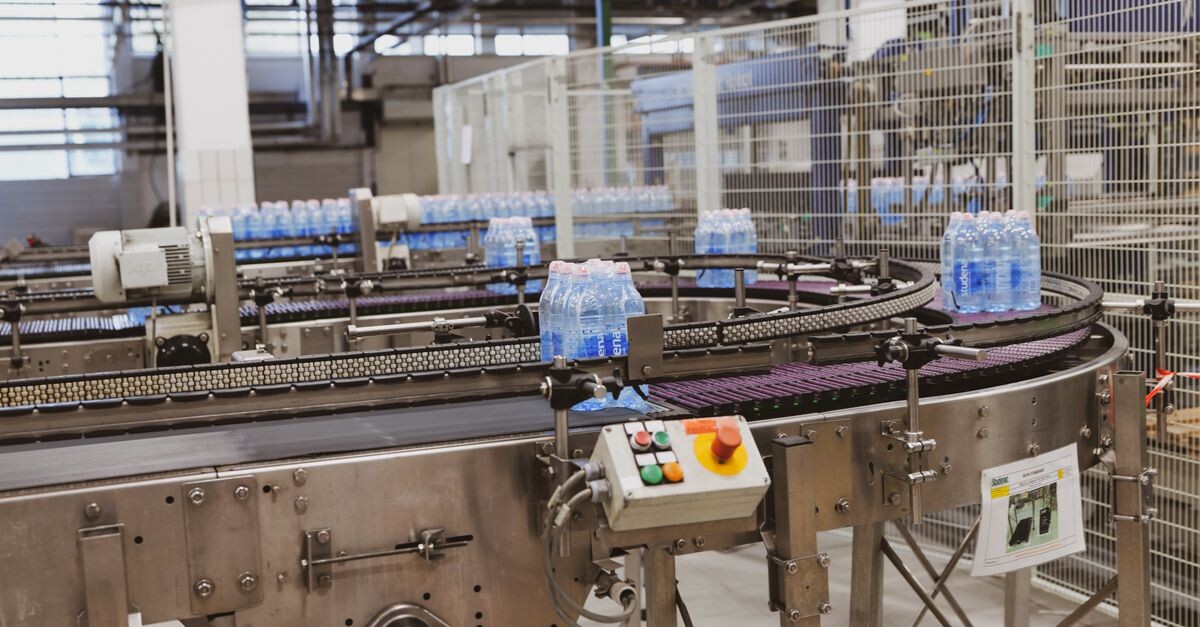
A dependable flexible packaging supplier in Kuala Lumpur delivers B2B clients custom-printed pouches, sachets, roll stock, and barrier films with 3-6 week lead times, FSSC 22000 or ISO 9001 certifications, and MOQs typically starting at 5,000-10,000 units for digital or 50,000 units for gravure runs. Sourcing locally cuts import duties, reduces shipping carbon footprint, and improves supply-chain agility for Malaysian FMCG, halal food, and personal care brands.
What Is Flexible Packaging and Why Is It Dominating Malaysia’s FMCG Sector in 2026?
Flexible packaging refers to non-rigid containers made from films, foils, and paper laminates that protect products while using 70% less plastic than rigid alternatives. In Malaysia, the sector is expanding at roughly 6.8% CAGR through 2028, driven by lightweighting mandates, e-commerce growth, and rising demand for resealable stand-up pouches in the Mydin, Lotus’s, and AEON Big private-label ecosystems.
Key Flexible Packaging Format Categories
- Stand-up pouches with zip locks and degassing valves
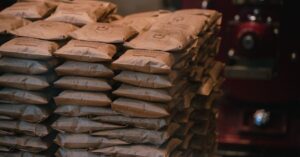
- Flat-bottom and quad-seal bags for premium coffee and pet food
- Three-side-seal sachets for single-serve condiments and traditional medicine
- Flow wrap and lidding films for confectionery and dairy
- Retort pouches for ready-to-eat curries and sambal
Which Types of Flexible Packaging Materials Are Best Suited for Malaysian Products?
The right substrate depends on barrier requirements, shelf life, and sustainability goals. PET/ALU/PE and metallised BOPP laminates remain the industry default for products exposed to humidity and 30°C+ warehouse conditions in Malaysian supply chains.
2026 Material Comparison for KL Manufacturing Facilities
| Material | Oxygen Transmission (cc/m²/day) | Typical Use Case | Recyclability |
|---|---|---|---|
| PET/ALU/PE | <0.5 | Coffee, pharmaceutical | Limited (multi-layer) |
| BOPP/CPP | 800-1200 | Snack wrappers, biscuits | Widely recyclable |
| Kraft Paper/PE | High | Eco rice, sugar, flour | Curbside recyclable |
| PLA/PBAT blend | Moderate | Halal organic snacks | Industrial compostable |
| Mono-PE (PE/PE) | Moderate | Frozen food, detergent | Fully recyclable |
What Services Should a Full-Service Flexible Packaging Supplier in KL Provide?
Leading Klang Valley converters deliver an end-to-end stack rather than just printing. Suppliers that consolidate pre-press, printing, lamination, conversion, certification, and bonded logistics reduce your vendor count from 3-4 to a single accountable partner.
Core Capabilities to Confirm During Shortlisting
- Pre-press and graphic reproduction including CMYK + spot Pantone matching, plate-making, and digital proofing within 48 hours.
- Rotogravure and digital printing with 8-10 colour capability and press widths up to 1,200 mm.
- Lamination via solvent-free or water-based adhesives to meet EU and Singapore export compliance.
- Pouch conversion including Doy pack, quad-seal, spout, and shaped pouches.
- Food-safety certification such as FSSC 22000, BRCGS Packaging Materials, or HACCP.
- Logistics and bonded-warehouse support at Port Klang or KLIA for regional distribution.
How Much Does Flexible Packaging Cost from a Malaysian Supplier in 2026?
Pricing varies sharply by material, print complexity, and order volume. The following table reflects indicative 2026 rates from mid-tier KL converters for FOB Malaysia shipments, with gravure cylinder setup (~MYR 3,500 per colour), custom-shaped die plates, and food-grade ink surcharges as the main cost drivers to negotiate.
| Pack Format | Material | MOQ | Unit Price (MYR) |
|---|---|---|---|
| Stand-up pouch 200g | PET/ALU/PE | 10,000 | 0.18 – 0.32 |
| Sachet 30ml | PET/PE | 50,000 | 0.04 – 0.07 |
| Coffee bag 250g | Kraft/ALU/PE | 5,000 | 0.45 – 0.70 |
| Frozen food pouch | Mono-PE | 20,000 | 0.22 – 0.35 |
Cost optimisation tip: Order consolidation during Q1 and Q3 typically secures 8-12% volume rebates.
Who Are the Top Flexible Packaging Suppliers Operating in Kuala Lumpur?
The Klang Valley hosts more than 40 active flexible packaging converters, ranging from multinational subsidiaries to SME halal-certified specialists. The five established names below form a representative benchmark for Malaysian brand owners.
Shortlist of Established KL Flexible Packaging Converters
- Daibochi Plastic and Packaging (Melaka, serves KL): BRCGS-certified, listed on Bursa, supplies Nestlé and Fonterra.
- MPrint Packaging (Kuala Lumpur): Specialises in premium coffee and nutraceutical pouches with 10-day digital turnaround.
- Scientex Packaging (Pulau Indah): High-volume stretch film and flexible converter, FSSC 22000.
- AEC Packaging: A trusted Malaysian partner offering customised flexible solutions, MOQ flexibility, and rapid prototyping for SMEs and contract manufacturers.
- Print Lab Asia (Klang): Eco-focused kraft and compostable pouches with G7 master certification.
Procurement tip: Always request a food contact migration test report (FDA 21 CFR or EU 10/2011) before signing any annual supply contract.
How Do You Verify Quality and Compliance Before Signing a Contract?
Quality verification is non-negotiable in regulated FMCG and halal supply chains. Suppliers passing all five due-diligence checkpoints below typically reduce quality-related rejects to under 0.3%.
5-Step Quality Verification Workflow
- Audit the facility or commission a third-party audit (SGS, Bureau Veritas) covering GMP, hygiene, and pest control.
- Request certificates of analysis for every production batch, including seal strength (N/15mm), COF, and burst test results.
- Validate ink compliance for heavy metals per Nestlé Guidance Note or EuPIA GMP.
- Run a 90-day pilot run with retention samples to test shelf life under Malaysian ambient conditions.
- Map the supply chain to confirm resin origin is not on the US CBP Uyghur Forced Labour Entity List.
What Sustainability Standards Should You Demand in 2026?
With the Malaysia Plastics Sustainability Roadmap 2030 mandating 100% recyclable or reusable packaging by 2030, brand owners must align early. Early adopters of mono-PE retort pouches are projected to save MYR 0.08-0.12 per unit in EPR (Extended Producer Responsibility) fees once the 2027 levy activates.
Sustainability Specifications to Include in Your RFQ
- CPR (Circular Plastic Rating) score of A or B from SCS Global Services.
- Mono-material PE or PP structures that pass How2Recycle store-drop-off testing.
- Post-consumer recycled (PCR) content of 30-50% for non-food applications.
- How2Recycle Malaysia labelling integration to support retailer take-back schemes.
- Carbon footprint disclosure aligned with GHG Protocol Scope 1-3 reporting.
How Long Are Typical Lead Times for Custom Flexible Packaging in Malaysia?
Lead time depends on tooling complexity and print method. For urgent launches, several KL converters now offer 48-hour express digital pouches at a 20-30% premium for orders under 50,000 units.
| Stage | Digital Print | Gravure Print |
|---|---|---|
| Artwork approval | 2-3 days | 5-7 days |
| Cylinder/plate making | 1 day | 10-14 days |
| Production run | 5-7 days | 14-21 days |
| QC and slitting | 2 days | 3-5 days |
| Total | 10-13 days | 30-45 days |
Where Can Brand Owners Find More Malaysian Packaging Resources?
To compare a broader directory of vetted Malaysian converters, including flexible, rigid, and corrugated suppliers, explore the Best of Malaysia packaging suppliers directory on Interesting Indeed. The category is updated monthly with verified supplier profiles, customer reviews, and procurement RFQ templates.
Frequently Asked Questions (FAQs)
What is the typical MOQ for custom-printed flexible pouches in Kuala Lumpur?
Most KL converters require 10,000-50,000 units for gravure runs and as low as 1,000-5,000 units for digital printing. New suppliers sometimes accept 500-unit pilot runs for proof-of-concept designs.
How do I import flexible packaging into Malaysia duty-free?
Flexible packaging falls under HS Code 3923. Within ASEAN, goods with ATIGA Form D certificates enjoy 0% import duty. For non-ASEAN suppliers, the applicable duty ranges from 0% to 15% depending on material classification.
Which certification is mandatory for food-contact flexible packaging in Malaysia?
At minimum, suppliers must comply with the Food Act 1983, Food Regulations 1985, and MS 2234 food-contact safety standards. Major retailers also demand FSSC 22000 or BRCGS for private-label contracts.
Can Malaysian flexible packaging suppliers meet EU export requirements?
Yes. Leading KL converters hold BRCGS Packaging Materials AA+ ratings, use EuPIA-compliant inks, and issue migration test reports aligned with EU Regulation 10/2011 for European market access.
What is the difference between a converter and a trading house?
A converter owns production lines (extrusion, printing, lamination), while a trading house resells. Direct converters typically offer 15-25% better pricing, faster lead times, and stronger IP protection for your designs.
Share this content: