Custom Box Solutions in Kuala Lumpur: Packaging, Branding & Bulk Orders Guide
Custom Box Solutions in Kuala Lumpur: Packaging, Branding & Bulk Orders Guide
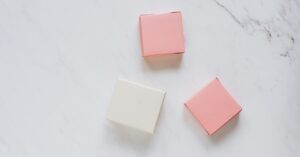
A custom box is a packaging container manufactured to specific dimensions, materials, prints, and structural designs based on a buyer’s product, branding, or logistics requirements. In Kuala Lumpur, custom boxes serve e-commerce sellers, FMCG brands, gift retailers, and corporate clients who need packaging that fits exact product sizes, communicates brand identity, and meets shipping durability standards. This guide explains box types, material options, pricing drivers, and how to evaluate a Malaysian packaging supplier before placing a bulk order.
What Is a Custom Box and Why Malaysian Businesses Use Them
A custom box is packaging built to order rather than picked from generic stock sizes, giving buyers precise control over dimensions, board grade, printing, and finishing. Malaysian businesses choose custom boxes because off-the-shelf cartons often leave excess void space, fail to protect irregular products, or miss branding opportunities at the unboxing stage. For SMEs shipping nationwide or exporting to Singapore, Indonesia, and Thailand, packaging consistency directly affects courier handling and customer satisfaction scores.
Common use cases across KL industries include:
- E-commerce and Shopify sellers needing fitted mailer boxes
- F&B and bakery businesses requiring branded cake and pastry boxes
- Cosmetics and skincare brands using rigid setup boxes for retail shelves
- Corporate gifting programs with magnetic closure or drawer-style boxes
- Industrial parts distributors needing heavy-duty corrugated cartons
Main Types of Custom Boxes Available in Malaysia
The most common custom box types supplied in Kuala Lumpur fall into five structural categories, each matched to a specific product weight, display need, and budget level. Choosing the right format depends on whether the box is shipping-facing, shelf-facing, or gift-facing.
- Folding Carton Boxes — Lightweight paperboard boxes used for pharmaceuticals, cosmetics, and retail FMCG, typically printed in CMYK or Pantone with matte, gloss, or soft-touch lamination.
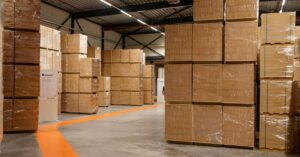
- Corrugated Shipping Boxes — Fluted cardboard (single-wall, double-wall, or triple-wall) used for e-commerce fulfillment and industrial logistics; the standard workhorse of Malaysian freight packaging.
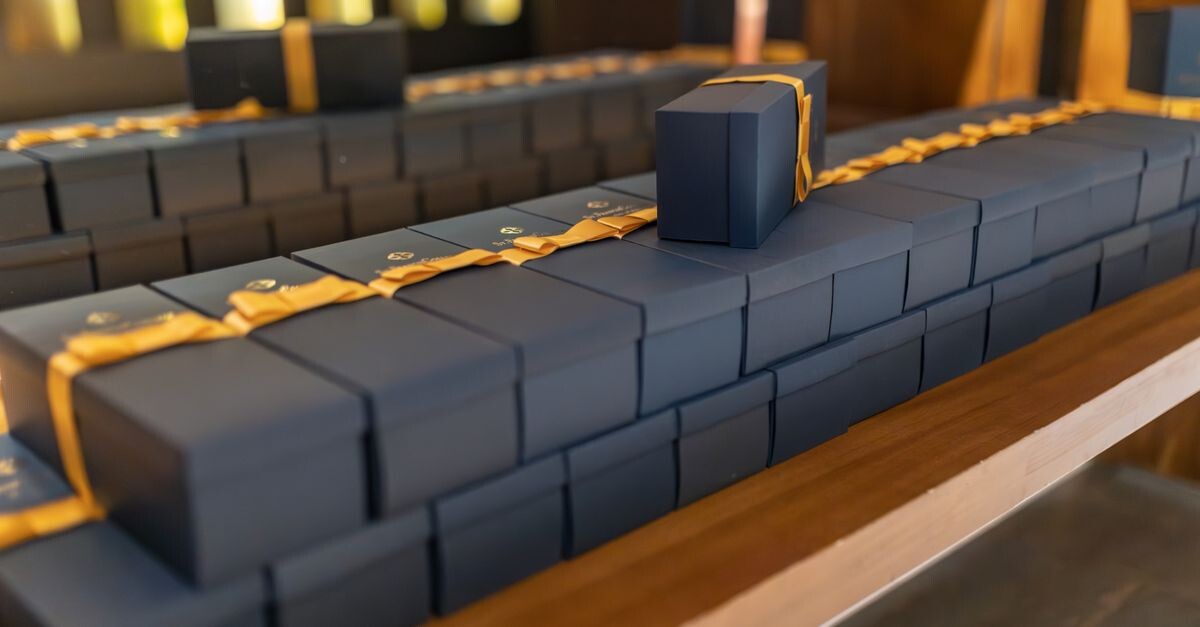
- Rigid Setup Boxes — Non-collapsible premium boxes used by luxury brands, often wrapped in printed paper, fabric, or leather-textured stock for watches, jewelry, and high-end electronics.
- Mailer Boxes — Self-locking corrugated boxes with tear strips, popular with direct-to-consumer brands for unboxing experience and usually printed on kraft or white liner.
- Pillow Boxes and Sleeve Boxes — Smaller specialty formats for gifts, accessories, and promotional items, often finished with foil stamping or embossing.
For businesses exploring printed and structural options, a specialist Malaysian supplier such as AEC offers a broad catalog of custom box formats, materials, and finishing choices.
Common Materials Used for Custom Boxes in KL
Material choice directly affects cost, durability, and print quality. The most frequently specified materials in the Malaysian market include:
- Corrugated Board (3-ply to 7-ply) — Standard for shipping and e-commerce, with E-flute, B-flute, and C-flute options for different strength-to-thickness ratios.
- White Cardboard / SBS (Solid Bleached Sulfate) — Used for folding cartons where a clean, high-printability surface is required.
- Kraft Paperboard — A recycled, unbleached option favored by eco-positioned brands for its natural appearance.
- Rigid Chipboard (Greyboard) — The base material for luxury setup boxes, typically 800gsm to 2000gsm.
- Specialty Stocks — Metallic boards, textured papers, and clear PVC windows for premium or windowed packaging.
How Custom Box Pricing Works in Malaysia
Custom box pricing in Malaysia is calculated per unit and is influenced by several variables. Understanding these drivers helps buyers benchmark quotations accurately and avoid hidden setup fees.
- Material Grade and GSM — Higher board weight or specialty stocks increase cost per square meter.
- Print Method — Offset printing is cost-effective above 1,000 units; digital printing suits short runs and prototypes under 500 units.
- Order Quantity — Pricing follows a tiered structure, with significant per-unit reductions at the 1,000, 3,000, 5,000, and 10,000 unit thresholds.
- Die-Cut and Structural Complexity — Custom dies, magnetic closures, inserts, and window cut-outs add tooling and assembly costs.
- Finishing — Lamination, spot UV, foil stamping, embossing, and debossing each add per-unit fees.
- Lead Time — Standard production runs take 10–21 working days; rush orders under 7 days typically incur a 20–40% surcharge.
For a useful reference point, suppliers like AEC list their full custom box range, material specifications, and minimum order quantities (MOQs) directly on their products page, simplifying comparison shopping for KL-based buyers.
How to Choose a Custom Box Supplier in Kuala Lumpur
Selecting the right packaging partner affects product safety, brand perception, and lead-time reliability. Use this checklist when shortlisting suppliers before committing to a long-term order.
- Verify manufacturing capability — Confirm whether the supplier owns a production facility or outsources to third-party converters, as this directly impacts quality control and pricing.
- Request physical samples — Reputable suppliers provide dieline proofs, plain samples, and printed prototypes before mass production.
- Check MOQ flexibility — Some KL converters accept runs as low as 100 units, while others enforce 1,000-unit minimums.
- Review finishing options in-house — In-house lamination, foil, and UV capabilities reduce subcontracting delays.
- Confirm delivery coverage — Local KL and Selangor delivery is usually 1–3 days; East Malaysia and Singapore shipments require freight forwarding arrangements.
- Assess communication responsiveness — Packaging projects involve multiple revision cycles; suppliers with dedicated account managers reduce turnaround friction.
Sustainability and Eco-Friendly Custom Box Options
Sustainability is now a procurement requirement for many Malaysian brands targeting export markets or ESG-conscious consumers. Eco-friendly custom box options include FSC-certified paperboard, soy-based inks, water-based adhesives, and unbleached kraft liners. Corrugated boxes with high recycled content (typically 70–100% post-consumer waste) are widely available from KL converters and remain curbside recyclable in most Malaysian municipalities. For premium brands, rigid boxes wrapped in FSC-certified specialty paper offer a sustainable alternative to plastic-based gift packaging.
Lead Times and Order Workflow for KL Buyers
A typical custom box order in Kuala Lumpur follows a six-stage workflow from initial briefing to final delivery. Each stage carries its own working-day estimate that buyers should factor into launch planning.
- Briefing and Quotation — Submit dimensions, material, print artwork, and quantity for pricing (1–3 working days).
- Dieline and Artwork Adaptation — Supplier provides a dieline template; buyer adapts artwork (3–7 working days).
- Plain Sample Production — Unprinted prototype is shipped for structural approval (3–5 working days).
- Printed Sample (Optional) — Color-accurate proof for sign-off (5–7 working days).
- Mass Production — Offset or digital printing, lamination, die-cutting, and assembly (10–21 working days).
- Delivery — Local KL delivery within 1–3 days; peninsular Malaysia 3–7 days.
Frequently Asked Questions (FAQs)
What is the minimum order quantity for custom boxes in Kuala Lumpur?
Most KL converters set MOQs between 500 and 1,000 units for offset-printed folding cartons and corrugated boxes. Digital printing services can accommodate runs as low as 50–100 units, though per-unit cost is significantly higher.
How long does custom box production take in Malaysia?
Standard production lead time is 10–21 working days after artwork approval. Rush jobs under 7 days are possible but typically incur a 20–40% express surcharge.
What file format should I send for box printing?
Supply print-ready artwork in PDF, AI, or CDR format with 3mm bleed, CMYK color mode, and outlined fonts. Always confirm dieline templates with your supplier before exporting files.
Can I order custom boxes with no minimum quantity in KL?
Some suppliers offer on-demand or digital-print short runs starting from 1 unit for prototypes, though pricing is significantly higher than bulk offset production.
Are custom boxes from Malaysian suppliers suitable for export shipping?
Yes, provided you specify double-wall corrugated board for products over 5kg and confirm ISTA or ASTM drop-test compliance for fragile items. Most KL converters are experienced with Singapore, Indonesia, and Australia export packaging standards.
Final Thoughts
Custom boxes are a long-term investment in product protection, brand presentation, and customer experience. For Kuala Lumpur businesses, the key decision points are material grade, print method, MOQ alignment, and supplier reliability. Start by requesting samples from 2–3 established Malaysian converters, compare dieline accuracy and finishing quality, and confirm lead times before committing to a full production run.
To explore a wide selection of custom box formats suitable for retail, corporate, and industrial use, review the full AEC product catalog. For additional Malaysian supplier and packaging context, see our AEC Malaysia category overview.
Share this content: