Low Voltage Transformer Malaysia: Guide for Klang Valley Buyers & Maintenance
What is a low voltage transformer and how does it work in Malaysia?
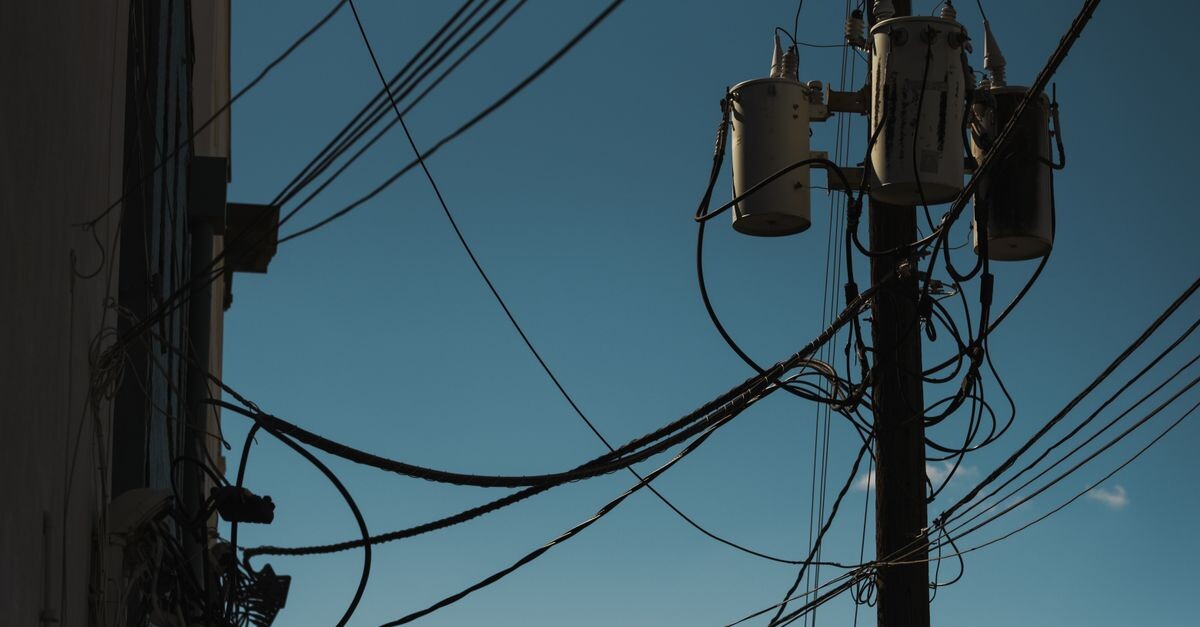
A low voltage transformer steps down higher incoming voltages—such as 415 V three‑phase or 3300 V distribution lines—to safer utilization levels like 230 V single‑phase or 400 V three‑phase for Malaysian industrial, commercial and residential loads. It operates by electromagnetic induction between primary and secondary windings around a laminated steel core, providing voltage regulation, isolation and impedance matching.
- Typical power ratings: 5 kVA (small offices) to 2500 kVA (large factories).
- Winding materials: copper for low loss, aluminum for cost‑sensitive applications.
- Core: grain‑oriented silicon steel to minimise hysteresis and eddy‑current losses.
Why are low voltage transformers critical for industries and infrastructure in the Klang Valley?
In the Klang Valley’s dense industrial corridor, low voltage transformers deliver reliable power conversion for manufacturing lines, CNC machines and automation systems, preventing voltage sags that could disrupt production. They also supply stable voltage to commercial complexes, data centres and public transit, ensuring operational continuity and protecting sensitive equipment from fluctuations.
How do low voltage transformers support manufacturing plants and factories in Klang Valley?
They isolate sensitive control electronics from mains disturbances, provide the correct voltage for motor drives and welding equipment, and enable parallel operation of multiple units to handle peak loads. By maintaining voltage regulation within ±5 %, they reduce downtime, improve product quality and extend the lifespan of costly machinery in humid tropical conditions.
- Tap changers allow fine‑tuning of output voltage under varying load.
- Dry‑type units are preferred where fire safety regulations are strict.
- Regular load balancing prevents phase asymmetry and overheating.
What role do they play in commercial buildings and data centres within the region?
In commercial towers and data centres, low voltage transformers supply clean, isolated power to lighting, HVAC controls and server racks, shielding sensitive IT equipment from electromagnetic interference and voltage spikes. They also enable efficient load balancing across phases, supporting energy‑management systems that reduce electricity costs and improve power quality for tenants.
- Redundant transformers for N+1 reliability are common.
- Monitoring integrates with building‑management software for real‑time alerts.
- Compliance with MS IEC 60076 ensures compatibility with local utility standards.
How to select the appropriate low voltage transformer for your specific application in Malaysia?
Selecting the right low voltage transformer begins with determining the required kVA rating based on load demand, then choosing the primary and secondary voltage ratios that match your supply and equipment. Consider impedance for fault‑current limitation, temperature‑rise class for cooling needs, and environmental ratings (IP, corrosion resistance) suited to Malaysia’s humidity and temperature.
What key parameters (kVA rating, voltage ratio, impedance, temperature rise) should you evaluate?
Evaluate the kVA rating to ensure the transformer can handle peak load without overheating; verify the voltage ratio matches your incoming supply and desired output levels; check impedance (typically 4 %–6 %) to limit fault currents and improve voltage stability; and select a temperature‑rise class (e.g., 55 °C or 65 °C) that aligns with your cooling method and ambient conditions.
- Calculate total connected load in kVA, add a 20 % safety margin.
- Choose voltage ratio (e.g., 415 V primary to 230 V secondary for single‑phase loads).
- Confirm impedance from the manufacturer’s data sheet.
- Select cooling class: ONAN for indoor, ONAF for forced air, dry‑type for oil‑free zones.
How does the choice of cooling method (ONAN, ONAF, dry‑type) affect performance and installation?
ONAN (oil natural air natural) relies on convection, suited for indoor, low‑noise installations; ONAF (oil natural air forced) adds fans for higher capacity in confined spaces; dry‑type units use epoxy‑encapsulated windings, eliminating oil fire risk and allowing placement in areas with strict safety or environmental regulations, though they may be larger for the same kVA.
- ONAF increases heat dissipation by 30‑40 % compared to ONAN.
- Dry‑type transformers meet IP23 to IP55 enclosure ratings.
- Oil‑filled units require periodic oil testing and filtration.
What are the most common causes of low voltage transformer failure and how can they be prevented?
Common causes include overheating due to overload or blocked cooling, insulation breakdown from moisture ingress or voltage spikes, and mechanical damage from loose core bolts or vibration. Preventive actions involve proper load management, maintaining clear ventilation, using surge protectors, and conducting regular inspections to detect early signs of deterioration.
Which electrical, mechanical, and environmental factors lead to overheating or insulation breakdown?
Electrical factors: overvoltage, harmonics and short‑circuit currents that increase winding temperature. Mechanical factors: loose fasteners, core shifting and transport‑induced stress that create hot spots. Environmental factors: high humidity, salt‑laden air and dust accumulation that reduce cooling efficiency and promote moisture‑related insulation degradation.
- Install surge arresters on the primary side to clamp transients.
- Use desiccant breathers to control moisture inside oil tanks.
- Schedule vibration analysis every six months for large units.
What preventive maintenance practices (testing, oil analysis, thermal imaging) extend transformer life in Malaysia’s humid climate?
Perform quarterly visual inspections for leaks, corrosion and loose connections; conduct annual dielectric absorption and power‑factor tests on windings; test insulating oil for moisture, acidity and dissolved gases; and use infrared thermography to spot abnormal hot spots before they cause failure.
- Maintain a maintenance logbook with test dates and results.
- Replace gaskets and seals when signs of aging appear.
- Train staff on safety procedures for handling energized equipment.
Where can businesses in Klang Valley source reliable low voltage transformers, and why choose QPS Transformers?
Businesses in the Klang Valley can source low voltage transformers from authorised distributors, industrial electrical suppliers and directly from manufacturers such as QPS Transformers, which maintains a local sales office and service centre in Shah Alam. Choosing QPS ensures products that meet MS IEC standards, offer custom designs and come with prompt technical support and warranty coverage.
What product ranges and customization options does QPS Transformers offer for low voltage applications?
QPS Transformers supplies standard low voltage units ranging from 5 kVA to 2500 kVA, with voltage combinations such as 415 V/230 V, 3300 V/415 V and 6600 V/415 V. Custom options include special tap changers, epoxy‑coated cores for corrosion resistance, low‑noise designs and enclosure ratings up to IP55 for outdoor installation in the Klang Valley’s industrial zones.
How does QPS Transformers ensure compliance with local standards and provide after‑sales support?
QPS Transformers subjects each unit to factory acceptance tests per MS IEC 60076, including temperature rise, short‑circuit and dielectric tests, and provides test reports with every shipment. Their after‑sales team offers on‑site commissioning, preventive‑maintenance contracts and 24‑hour technical assistance, ensuring rapid response to any operational issue.
What maintenance and testing procedures keep low voltage transformers operating efficiently?
Routine maintenance includes monthly visual checks for leaks, corrosion and loose connections; quarterly thermal imaging to detect hot spots; and annual electrical tests such as turns ratio, winding resistance and insulation resistance. Keeping a log of results enables trend analysis and timely intervention before performance degrades.
Which routine inspections (visual, temperature, oil level) should be performed monthly?
Each month, inspect the transformer exterior for oil leaks, rust or loose bolts; check the oil level gauge to ensure it remains within the manufacturer’s marked range; verify that cooling fans or vents are unobstructed; and record ambient temperature and load readings to correlate with any observed temperature rise.
- Use a checklist to ensure no item is overlooked.
- Photograph any abnormalities for future reference.
- Report findings to the maintenance supervisor promptly.
How often should dielectric resistance, turns ratio, and short‑circuit impedance tests be conducted?
Dielectric resistance and turns‑ratio tests are typically performed annually as part of preventive maintenance, while short‑circuit impedance testing is conducted every three to five years or after any major fault event. More frequent testing may be required for transformers operating under harsh conditions or high cyclic loads.
- Keep copies of test certificates for audit purposes.
- Trend the results to detect gradual degradation.
- Consult the manufacturer if values deviate beyond tolerance limits.
Frequently Asked Questions (FAQs)
What is the typical lifespan of a low voltage transformer in Malaysia?
A well‑maintained low voltage transformer can last 25 to 30 years in Malaysia’s climate. Regular testing and timely repairs extend its service life beyond the design expectancy.
Can low voltage transformers be installed outdoors in the Klang Valley?
Yes, units with IP55 or higher enclosures are suitable for outdoor placement. Proper foundations and protection against flooding are essential.
How does harmonic distortion affect low voltage transformer performance?
Harmonics increase copper and iron losses, causing extra heating. Installing harmonic filters or using k‑rated transformers mitigates this issue.
What is the difference between ONAN and ONAF cooling?
ONAN relies on natural oil convection and air flow, while ONAF adds forced air fans to boost heat dissipation. ONAF is chosen when space constraints limit natural cooling.
Where can I get technical support for QPS Transformers products in Malaysia?
QPS Transformers provides a local service centre in Shah Alam and a 24‑hour technical hotline. Contact details are available on their website at https://www.qpstransformers.com/.
Share this content: