Italian Kitchens in Bangsar, Kuala Lumpur: Design, Cost & Maintenance Guide
What defines an Italian kitchen in a Bangsar home?
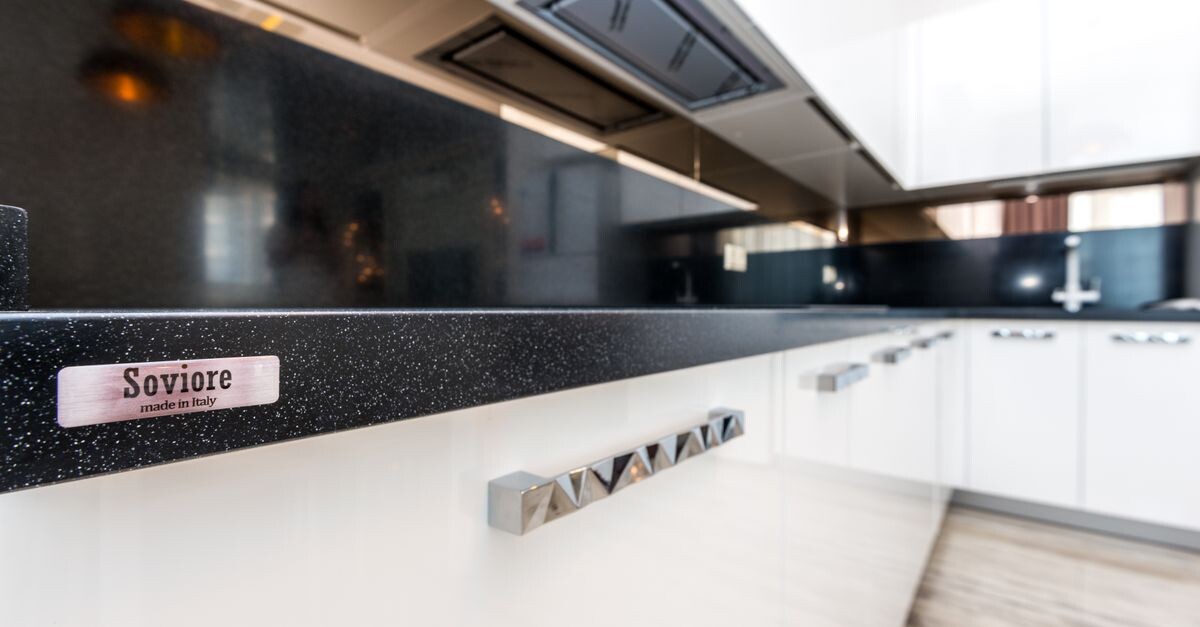
An Italian kitchen in a Bangsar home combines rustic Mediterranean charm with modern precision, featuring natural stone or quartz countertops, handle‑less flat‑panel cabinets, integrated appliances, and a neutral palette accented by warm timber. This style delivers an ergonomic workflow, open‑plan flow, and timeless appeal suited to contemporary Malaysian living.
These kitchens often incorporate open shelving, subtle texture contrasts, and a focus on ergonomic workflow, making them ideal for both casual family meals and entertaining guests.
- Natural stone or engineered quartz countertops
- Handle-less, flat-panel cabinets in matte lacquer or wood-veneer
- Integrated appliances such as ovens, refrigerators, and dishwashers
- Neutral colour schemes with accents of warm timber or muted metal
- Open plan layouts that flow into dining or living areas
For more inspiration on Malaysian home trends, visit our guide at interesting-indeed.com.
How do materials and finishes influence the look?
Materials and finishes define the look of an Italian kitchen by pairing durable surfaces with refined aesthetics; polished marble or quartz countertops offer luxury, while matte lacquer or wood‑veneer cabinetry provides understated elegance, and brushed stainless‑steel accents add subtle industrial contrast that fits Bangsar’s urban setting.
Popular material choices:
- Countertops: Carrara marble, Calacatta quartz, Dekton
- Cabinetry: Matte white lacquer, walnut veneer, oak laminate
- Flooring: Large-format porcelain tiles, light-stained wood
- Backsplash: Subway tiles, mirrored glass, or natural stone slabs
- Hardware: Minimalist pulls, integrated touch-latch systems, or concealed hinges
What layout options work best for small Bangsar apartments?
For compact Bangsar apartments, the most effective Italian kitchen layouts are linear, L‑shape, or galley designs that keep the sink, stove, and refrigerator within a 1.2‑ to 1.5‑metre work triangle, provide at least 600 mm clearance in front of appliances, and use vertical storage or tall cabinets to maximize utility without expanding the footprint.
- Measure the available wall length and ceiling height.
- Identify the location of existing plumbing and electrical points.
- Choose a layout that keeps the sink, stove, and refrigerator within a 1.2‑ to 1.5‑metre work triangle.
- Allocate at least 600 mm of clearance in front of appliances for easy access.
- Incorporate vertical storage or tall cabinets to maximize utility without expanding footprint.
Why choose an Italian kitchen over other styles?
Choosing an Italian kitchen over other styles gives homeowners a timeless blend of craftsmanship, functional innovation, and understated luxury that boosts resale value; its design emphasizes ergonomic workflow, high‑quality materials, and seamless appliance integration, resulting in a sophisticated yet inviting space suited to daily Malaysian cooking.
- Superior material durability and resistance to humidity
- Refined aesthetics that age gracefully
- Customisable modules that adapt to unique floor plans
- Higher perceived value in property listings
- Better resale appeal due to recognized European design heritage
What are the cost considerations in Malaysia?
In Malaysia, Italian kitchen pricing varies by material grade, customization, and brand: entry‑level modular systems with laminate start around RM 35,000, mid‑range options with stone countertops and soft‑close hardware range from RM 60,000 to RM 90,000, and premium bespoke designs with imported marble and artisan detailing can exceed RM 150,000.
- Choice of countertop material (laminate vs quartz vs natural marble)
- Cabinet finish (matte lacquer, veneer, or solid wood)
- Appliance brand and integration level
- Customisation such as pull-out pantry, wine rack, or island
- Installation complexity, including plumbing and electrical work
How to maintain Italian kitchen cabinets?
Maintaining Italian kitchen cabinets requires weekly cleaning with a pH‑neutral detergent and soft cloth, monthly checks of hinges and slides, quarterly grout and backsplash deep‑cleaning, bi‑annual oil or wax treatment for wood elements, and immediate spill cleanup for acidic substances to prevent staining and surface damage.
- Weekly: Wipe surfaces with a soft cloth and mild soap solution.
- Monthly: Check hinges and drawer slides for smooth operation; lubricate if needed.
- Quarterly: Deep-clean grout lines and backsplash with a non-abrasive cleaner.
- Bi-annually: Treat wood veneer or solid wood panels with appropriate oil or wax.
- As needed: Immediately clean spills of acidic substances like vinegar or citrus juice.
Frequently Asked Questions (FAQs)
What is the typical lead time for an Italian kitchen installation in Bangsar?
Lead times usually range from 6 to 10 weeks, depending on design complexity and material availability. Custom features or imported stone may extend the timeline toward the upper end.
Are Italian kitchens suitable for high-humidity Malaysian kitchens?
Yes, when built with moisture‑resistant substrates such as marine‑grade plywood and sealed quartz countertops, they perform well in humid environments. Proper edge sealing and ventilation further protect the finishes.
Can I incorporate a traditional Malaysian wet kitchen alongside an Italian design?
Absolutely; many homeowners designate a separate wet zone for heavy cooking while keeping the Italian kitchen as a clean, showcase space for preparation and entertaining. This split layout preserves the aesthetic of the Italian kitchen while accommodating local cooking habits.
Do Italian kitchens require special ventilation?
They benefit from a good range hood or downdraft system to manage cooking odours, especially when using high‑output burners or wok‑style cooking. Adequate ventilation also helps maintain indoor air quality and protects cabinetry from grease buildup.
Is it possible to retrofit an existing kitchen with Italian‑style elements?
Yes, updating cabinet doors to handle‑less flat panels, replacing countertops with quartz or marble, and adding integrated appliances can transform a dated kitchen without a full remodel. This approach offers a cost‑effective way to achieve the Italian look while retaining the existing layout.
Share this content: