Imported Furniture Guide for Bangsar, Kuala Lumpur: Styles, Sources & Tips
What is imported furniture and why is it popular in Bangsar, Kuala Lumpur?
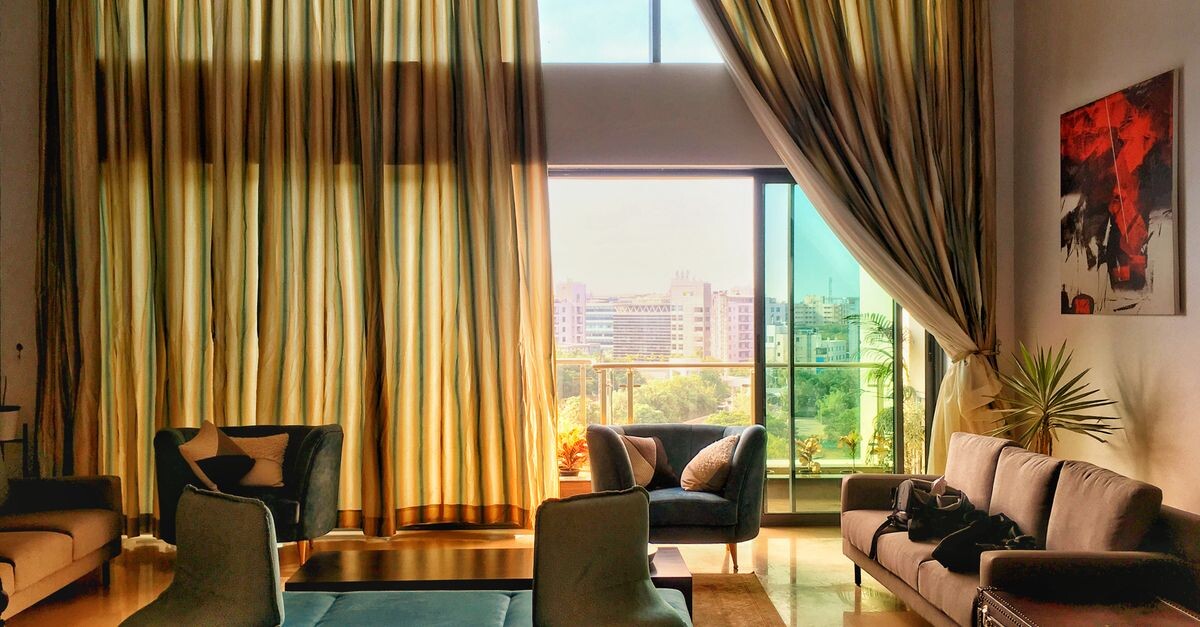
Imported furniture refers to home furnishings manufactured outside Malaysia and brought into the country, often featuring European designs, premium materials, and distinctive craftsmanship. In Bangsar, Kuala Lumpur, it is popular because residents seek high‑quality, stylish pieces that complement modern urban living, while local retailers offer curated collections that blend international aesthetics with Malaysian tastes.
Imported furniture provides access to design trends that may not yet be available locally, offering exclusivity and a sense of sophistication. Many Bangsar homeowners value the ability to mix international pieces with local textiles and artwork to create a personalized interior that reflects both global influences and Malaysian heritage.
How does imported furniture differ from locally made furniture in Malaysia?
Imported furniture typically showcases foreign design influences such as Scandinavian minimalism or Italian luxury and uses materials like solid oak, walnut, or imported leather that may not be locally sourced. Locally made furniture often emphasizes tropical woods, cost‑effective production, and designs tailored to Malaysian climate and cultural preferences, resulting in different price points and style options.
- Design origin: Imported pieces reflect European, Scandinavian, or Italian aesthetics; local furniture leans toward tropical, Malay‑inspired motifs.
- Materials: Imported items may use imported hardwoods, premium leathers, or engineered metals; local furniture frequently uses rubberwood, meranti, or bamboo.
- Price range: Due to shipping and duties, imported furniture generally sits at a higher price tier, while local alternatives offer more budget‑friendly choices.
- Availability: Imported stock can be limited to specific collections, whereas local manufacturers often provide faster lead times and custom sizing.
Where can I buy authentic imported furniture in Bangsar, Kuala Lumpur?
Authentic imported furniture in Bangsar can be found at specialised showrooms and boutique stores that partner directly with European manufacturers, as well as at reputable online platforms that offer verified authenticity certificates. Notable locations include Stanzoitalia.my’s curated gallery, high‑end furniture malls on Jalan Telawi, and select interior design studios that provide bespoke consultation services.
- Stanzoitalia.my – Visit their showroom at Stanzoitalia.my for a curated selection of Italian and Scandinavian pieces.
- Furniture Mall Bangsar – Located on Jalan Telawi, hosts multiple brands offering French Provincial and German‑engineered furniture.
- Luxury Living Interiors – Boutique studio offering bespoke import consultation and interior design packages.
- Online platforms – Sites like Lazada Mall and Shopee Mall feature verified imported furniture with buyer protection policies.
What are the most popular European furniture styles imported into Malaysia?
The most popular European furniture styles imported into Malaysia include Scandinavian minimalism, characterized by light woods and clean lines; Italian modern luxury, featuring plush upholstery and sleek metal accents; French Provincial, known for ornate carvings and pastel finishes; and German engineering‑driven designs that prioritize functionality and durability.
For a comprehensive overview of European furniture categories, refer to Wikipedia’s European furniture category (https://en.wikipedia.org/wiki/Category:European_furniture).
- Scandinavian Minimalism: Light pine or ash frames, neutral upholstery, functional design.
- Italian Modern Luxury: Sumptuous leather or velvet, polished metal legs, bold yet elegant silhouettes.
- French Provincial: Hand‑carved details, distressed finishes, soft pastel palettes.
- German Engineering‑Driven: Modular systems, high‑density foam, precision joinery for long‑term durability.
How do I assess the quality and authenticity of imported furniture before purchasing?
To assess quality and authenticity, examine the frame construction for solid wood joints, verify upholstery stitching and leather grain consistency, request documentation such as invoices, certificates of origin, or brand authenticity cards, and check for consistent branding logos and finishing details that match the manufacturer’s official specifications.
- Frame inspection: Look for dovetail or mortise‑and‑tenon joints; avoid particle board or glue‑only constructions.
- Upholstery check: Ensure stitching is even, leather shows natural grain patterns, and fabric is free of pilling.
- Documentation: Ask for original invoices, certificates of origin, and any warranty cards supplied by the brand.
- Brand verification: Compare logos, stamps, or embossings with official brand images available on the manufacturer’s website.
- Finish test: Run a hand over surfaces; high‑quality finishes feel smooth, uniform, and resistant to light scratching.
What are the cost considerations and budgeting tips for buying imported furniture in Bangsar?
Budgeting for imported furniture requires accounting for the base price, import duties, shipping fees, and possible installation charges. In Bangsar, expect mid‑range pieces to start around RM 3,000, while luxury Italian sofas may exceed RM 15,000. Prioritize essential items, look for seasonal promotions, and consider financing plans offered by reputable retailers.
- Base price: The manufacturer’s list price before any taxes or fees.
- Import duties: Typically range from 5% to 20% depending on the HS code and trade agreements.
- Shipping fees: Vary by volume and weight; consolidating shipments can reduce costs.
- Installation: Some retailers offer free basic setup; complex assemblies may incur extra charges.
- Seasonal sales: Look out for year‑end clearances, Hari Raya promotions, or anniversary discounts.
- Financing: Many stores provide 0% interest instalment plans for up to 12 months via partner banks.
How can I maintain and care for imported furniture to ensure longevity?
Maintain imported furniture by dusting weekly with a soft cloth, using appropriate wood cleaners or leather conditioners as recommended by the manufacturer, avoiding direct sunlight to prevent fading, and promptly addressing spills with blotting rather than rubbing. Rotate cushions and tighten loose screws periodically to preserve structural integrity.
- Dusting: Use a microfiber cloth; avoid abrasive pads that can scratch finishes.
- Wood care: Apply a suitable polish or oil every 3–4 months for solid wood surfaces.
- Leather care: Use a leather conditioner to keep the material supple; avoid alcohol‑based cleaners.
- Sunlight protection: Position furniture away from windows or use UV‑filtering curtains.
- Spill response: Blot liquid immediately with a clean, dry cloth; do not rub to prevent staining.
- Hardware check: Tighten screws and bolts every six months to prevent wobbling.
What are the environmental and ethical considerations when buying imported furniture?
Consider the carbon footprint of shipping, the sustainability of source materials (e.g., FSC‑certified wood), and the labor practices of overseas factories. Choose brands with transparent supply chains, eco‑friendly finishes, and recycling programs. Supporting local importers who adhere to ethical standards helps reduce environmental impact while promoting responsible consumption.
- Carbon footprint: Opt for consolidated shipments or retailers that offset emissions through environmental programs.
- Sustainable materials: Look for FSC‑certified wood, recycled metals, or eco‑friendly textiles.
- Labor standards: Prefer brands that comply with ISO 26000 or Fair Trade principles.
- Eco‑friendly finishes: Water‑based lacquers and low‑VOC paints reduce indoor air pollution.
- Recycling programs: Some manufacturers offer take‑back schemes for old furniture at end‑of‑life.
Frequently Asked Questions (FAQs)
Q: What is the average delivery time for imported furniture in Bangsar?
A: Typically, delivery takes 2 to 4 weeks depending on the item’s origin and customs clearance. Express options may reduce this to 1 week for in‑stock pieces.
Q: Do imported furniture items come with a warranty?
A: Most reputable brands provide a warranty ranging from 1 to 5 years covering structural defects. Always verify the warranty terms and ensure they are honored by the local importer.
Q: Can I customize the dimensions or upholstery of imported furniture?
A: Many manufacturers offer made‑to‑order services, allowing you to select size, fabric, and finish. Custom orders usually add 2 to 4 weeks to the lead time and may incur additional costs.
Q: What payment methods are accepted for imported furniture purchases?
A: Accepted methods typically include cash, credit/debit cards, online bank transfers, and installment plans via major Malaysian banks. Some retailers also accept e‑wallets such as Touch ‘n Go or GrabPay.
Q: How is after‑sales support handled for imported furniture?
A: Local importers usually manage after‑sales service, including repairs, replacement parts, and warranty claims. Keep all documentation and contact the showroom directly for any service needs.
Share this content: