Custom Canvas Bag Supplier in Malaysia: Wholesale & Eco-Friendly
If you are looking for a reliable custom canvas bag supplier in Malaysia, this guide covers bag types, material specifications, printing methods, minimum order quantities, and bulk pricing benchmarks relevant to Kuala Lumpur businesses. Canvas bags remain one of the most versatile reusable carriers in Malaysia, widely adopted by retail chains, F&B brands, universities, and corporate gifting programs under the national “No Plastic Bag” initiative. The sections below explain how to evaluate a supplier, what to expect on price, and how to match a canvas bag format to your specific use case.
What Is a Canvas Bag and Why Is It Popular in Malaysia?
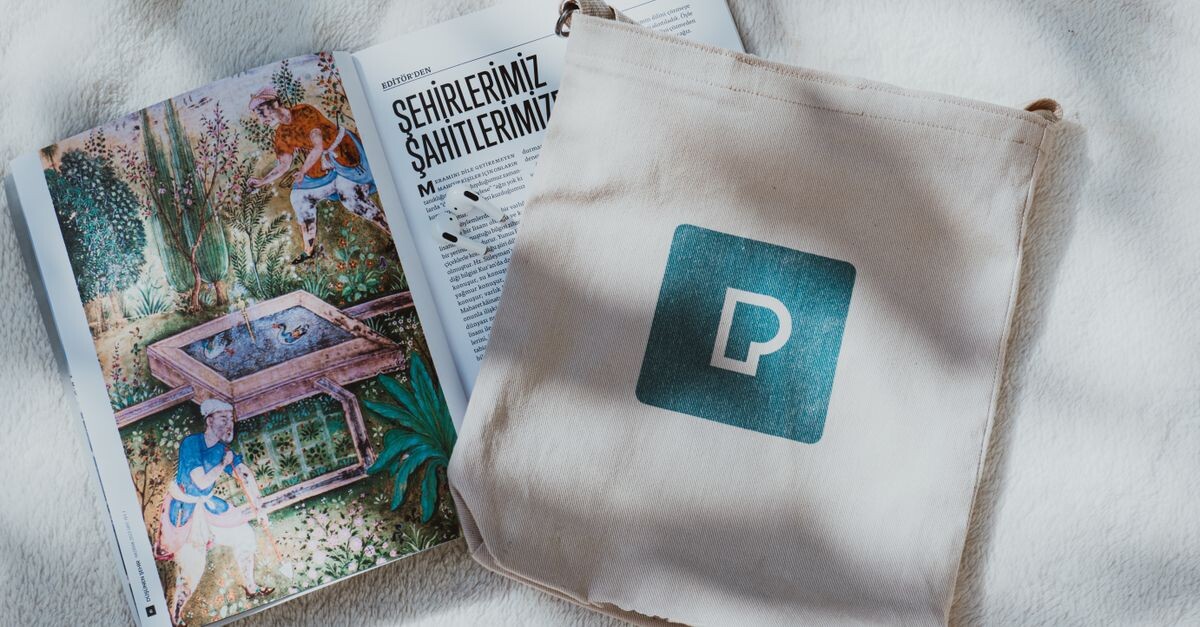
A canvas bag is a reusable carrier made from woven cotton, hemp, or cotton-polyester blend fabric weighing 6–18 oz per square yard, and it is popular in Malaysia because it complies with the federal single-use plastic ban and supports full custom branding at scale. Canvas bags typically serve 2–5 years of active use, can be screen-printed, heat-pressed, or embroidered with brand logos for under RM2 per unit at volume, and unlike non-woven polypropylene (PP) bags, 100% cotton canvas is biodegradable, recyclable, and accepted as a premium alternative across retail, F&B, and corporate gifting channels.
Main Types of Canvas Bags Available in Malaysia
Malaysian suppliers in Kuala Lumpur typically offer seven core canvas bag formats, each matched to a specific operational and branding requirement. Choosing the right format depends on carrying capacity, print surface area, and intended use environment.
- Flat tote bag – Single-panel design, cheapest option, ideal for event giveaways and retail checkout.
- Boxed / gusseted tote bag – Expandable bottom, suitable for grocery, supermarket, and F&B takeaway use.
- Drawstring canvas bag – Cord closure, popular for gyms, schools, and conferences.
- Canvas messenger bag – Flap with buckle or Velcro, used as a corporate gift or staff bag.
- Canvas backpack – Dual-strap design, popular for university and tech merchandise.
- Foldable canvas bag – Pouch-style pocket, designed for retail resale and travel kits.
- Canvas cooler bag – Foil-lined interior, used for F&B delivery and insulated catering.
For a curated catalog of these formats, see the full product range at aec.com.my/products/.
Canvas Bag Material and Weight Specifications
Canvas bag quality is determined primarily by fabric weight (oz per square yard), weave density, and handle construction method. The table below summarizes the most common specifications offered by Malaysian suppliers, with standard and premium tiers.
| Specification | Standard Option | Premium Option | Use Case |
|---|---|---|---|
| Fabric weight | 6 oz – 8 oz cotton canvas | 12 oz – 16 oz cotton canvas | Lightweight retail vs heavy-duty grocery |
| Material blend | 100% cotton | 70% cotton / 30% polyester | Print clarity vs shrinkage control |
| Handle type | Cotton webbing (single stitch) | Cotton rope (cross-stitched) | Low-cost event vs long-term retail |
| Lamination | None | PE / PU / PVC coating | Waterproofing for outdoor or cooler bags |
| Print method | Silkscreen | Heat transfer / DTF / embroidery | 1–2 color logos vs full-color photo print |
Most Malaysian suppliers stock 6 oz, 8 oz, 10 oz, and 12 oz canvas as standard, with 14–18 oz available for custom orders typically above 1,000 units.
Standard Canvas Bag Sizes Used by KL Businesses
Kuala Lumpur businesses generally order canvas bags in four common size brackets ranging from 30 x 35 cm to 50 x 60 cm or larger. Choosing the correct size prevents over-ordering, reduces warehousing costs, and improves end-user satisfaction.
- Small (30 x 35 cm) – Suitable for cosmetics, accessories, and event welcome packs.
- Medium (38 x 42 cm) – Most common size, used for retail shopping and F&B takeaway.
- Large (45 x 50 cm) – Used for grocery, supermarket, and corporate gift programs.
- Extra-large (50 x 60 cm or larger) – Used for university merchandise and gym laundry bags.
A side gusset of 8–12 cm is recommended for grocery-style use to allow the bag to stand upright on flat surfaces.
Printing Methods for Custom Canvas Bags in Malaysia
Customization cost and lead time depend on the chosen printing method, and each method suits a different design complexity and order volume. Below are the five primary methods used by Malaysian canvas bag suppliers.
- Silkscreen printing – Most cost-effective for 1–3 spot colors, ideal for orders above 100 units, with per-unit costs between RM0.80 and RM2.50.
- Heat transfer printing – Suitable for full-color logos and gradients, with vibrant output on light-colored canvas.
- Digital Transfer Film (DTF) printing – Recommended for complex multi-color designs and small runs of 20–100 units.
- Embroidery – Premium finish, used for corporate gifts, priced at RM1.50–RM4.00 per logo per bag.
- Direct-to-Garment (DTG) printing – Used for highly detailed photographic prints, limited to natural cotton only.
Silkscreen remains the default method for most Malaysian orders because of its balance between cost, durability, and color consistency on cotton canvas.
How Much Does a Custom Canvas Bag Cost in Malaysia?
Bulk pricing for custom canvas bags in Kuala Lumpur ranges from RM2.50 per unit for plain totes to RM10.00 per unit for full-color printed bags at 2026 market rates. Pricing varies based on material weight, size, and print complexity.
- Plain blank canvas tote (bulk): RM2.50 – RM4.50 per unit at 500+ pieces.
- 1-color silkscreen logo: RM3.80 – RM6.00 per unit at 300+ pieces.
- 2-color silkscreen logo: RM4.80 – RM7.50 per unit at 300+ pieces.
- Full-color heat transfer print: RM6.50 – RM10.00 per unit at 200+ pieces.
- Embroidery (per logo): Add RM1.50 – RM4.00 per bag.
- 12 oz heavyweight canvas upgrade: Add RM1.50 – RM2.50 per unit.
- PE / PU lamination upgrade: Add RM0.80 – RM1.80 per unit.
Setup fees for silkscreen frames typically range from RM30–RM80 per color, and are usually waived for orders above 1,000 units.
Minimum Order Quantity (MOQ) and Production Lead Time
Most Malaysian canvas bag suppliers set an MOQ of 100 pieces for plain bags and 200–300 pieces for custom-printed bags, with lead times of 7–14 working days after artwork approval. Larger orders above 5,000 units typically require 25–30 working days to complete, especially when fabric is imported. Add 3–5 working days for delivery within Peninsular Malaysia.
How to Choose the Right Canvas Bag Supplier in Malaysia
Selecting the right canvas bag supplier protects your brand reputation and ensures consistent quality across reorders through verified production capacity, certifications, and proofing workflows. Use the following six-point checklist when evaluating a Kuala Lumpur-based vendor.
- Request physical or digital samples before placing a bulk order to verify fabric weight, stitching, and print accuracy.
- Confirm compliance certifications, especially OEKO-TEX Standard 100, ISO 9001, or SEDEX for export-grade orders.
- Check the supplier’s in-house production capacity versus a trading-only model to avoid middleman markups.
- Review the artwork proofing workflow – reliable suppliers provide a digital mock-up and a pre-production sample.
- Compare payment terms – most Malaysian suppliers require a 30–50% deposit with balance on delivery.
- Ask about replacement warranty for stitching defects, print fading, and handle failure within 30 days of delivery.
To explore verified suppliers in the region and compare their offerings, browse the best canvas bag suppliers in Malaysia on AEC directory.
Common Use Cases for Custom Canvas Bags in KL
Custom canvas bags serve retail, institutional, F&B, and corporate gifting applications across Kuala Lumpur, with fabric weight, size, and print method varying by use case. Matching the bag specification to the application reduces cost and improves brand perception.
- Retail and supermarket chains – Replace single-use plastic with branded heavy-duty totes.
- Corporate gifting and onboarding kits – Use 12 oz canvas with embroidery for a premium finish.
- F&B and café businesses – Order mid-size cotton totes for takeaway packaging and loyalty programs.
- Universities and event organizers – Distribute drawstring or flat totes for student welcome packs.
- Cosmetics and lifestyle brands – Use smaller 6–8 oz canvas bags for boutique packaging.
- Non-profit and CSR campaigns – Deploy eco-friendly canvas bags as awareness merchandise.
Pros and Cons of Using Canvas Bags
Canvas bags offer clear sustainability and branding advantages but have limitations in weight, shrinkage, and tropical-climate storage that buyers should evaluate before committing to large orders.
Pros
- Reusable for 2–5 years with proper care.
- Fully biodegradable when made from 100% natural cotton.
- Supports full customization via screen, heat, and embroidery methods.
- Cost-per-use is lower than plastic or paper alternatives over 20+ uses.
- Conveys a premium, sustainable brand image to end customers.
Cons
- Heavier than non-woven PP bags, which adds to shipping weight.
- Natural cotton shrinks approximately 5–8% after the first wash.
- Higher upfront cost compared to plastic or non-woven alternatives.
- Requires proper storage to prevent mildew in humid Malaysian conditions.
- Stains are harder to remove from unlaminated canvas.
Care and Maintenance Tips for Canvas Bags
Proper care extends the usable life of a canvas bag and protects printed logos from fading through correct washing, drying, and storage practices suited to Malaysia’s tropical climate.
- Hand-wash in cold water for printed or embroidered bags to preserve print integrity.
- Avoid bleach and harsh detergents; use mild soap for stain removal.
- Air-dry flat in shaded areas to prevent UV-related fading and fabric shrinkage.
- Iron on low heat with a protective cloth over printed surfaces.
- Store in a dry, ventilated space to prevent mildew in Malaysia’s tropical climate.
Frequently Asked Questions (FAQs)
What is the best canvas bag material for printing in Malaysia?
100% natural cotton canvas at 8 oz–10 oz weight is the most popular material for printing in Malaysia because it accepts silkscreen, heat transfer, and embroidery evenly. Polyester blends are used for sharper DTF prints but reduce the biodegradable property of the finished bag.
How long does a custom canvas bag order take in KL?
Production usually takes 7–14 working days after artwork approval, with an additional 3–5 working days for delivery within Peninsular Malaysia. Orders above 5,000 units may take 25–30 working days due to fabric sourcing and extended production cycles.
Are canvas bags accepted as eco-friendly under Malaysian law?
Yes. Canvas bags made from natural cotton or hemp are accepted as a reusable alternative under the Ministry of Housing and Local Government’s single-use plastic ban implemented in phases across states including Selangor, Penang, and Kuala Lumpur.
What is the typical MOQ for a custom printed canvas tote?
Most Malaysian suppliers set a Minimum Order Quantity of 200–300 pieces for custom-printed canvas totes. Plain unprinted bags can often be ordered in quantities as low as 100 pieces per size.
Can I order a sample before placing a bulk order?
Yes. Most Kuala Lumpur-based suppliers, including those listed at aec.com.my/products/, provide paid samples at RM15–RM40 per unit, with the sample fee refundable upon confirmation of a bulk order above 300 units.
Share this content: