Bag Manufacturer Kuala Lumpur: Trusted Malaysian Suppliers 2026
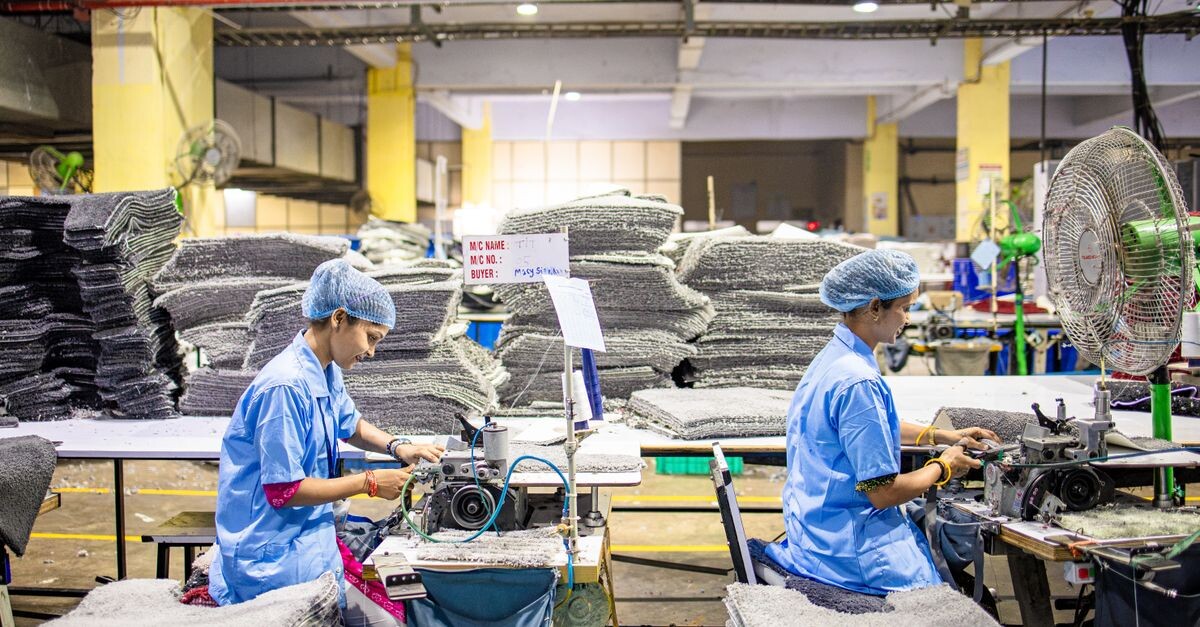
Kuala Lumpur hosts some of Malaysia’s most established bag manufacturers, serving global fashion brands, corporate buyers, and SME retailers across ASEAN. This guide explains how to choose the right bag manufacturer in KL, the materials and production methods available, and why local sourcing is a strategic advantage for international businesses.
For a broader directory of trusted Malaysian suppliers and sourcing platforms, explore the curated Best of Malaysia AEC resource hub.
What Is a Bag Manufacturer and What Do They Produce?
A bag manufacturer is a factory or production house that designs, prototypes, and mass-produces bags including handbags, backpacks, tote bags, duffel bags, wallets, laptop sleeves, and promotional bags. In Kuala Lumpur, manufacturers typically offer OEM (Original Equipment Manufacturer) and ODM (Original Design Manufacturer) services, allowing clients to either supply their own designs or collaborate on original concepts. Production runs can range from 100 units for boutique launches to 50,000+ units for international retail distribution.
Why Choose a Bag Manufacturer in Kuala Lumpur, Malaysia?
Kuala Lumpur offers strategic advantages for buyers seeking bag production in Southeast Asia, including competitive labour costs compared to Singapore or Hong Kong, English-proficient management teams, and Malaysia’s RCEP and bilateral trade agreements that reduce import duties on finished bags exported from KL. Industrial zones in Cheras, Sungei Besi, and Bukit Raja host factories with decades of combined experience serving global fashion and corporate clients.
According to AEC Malaysia, the country’s manufacturing sector continues to grow as a preferred sourcing destination for ASEAN-based brands seeking quality, scalability, and compliance with international labour standards.
Types of Bags Produced by KL Manufacturers
Kuala Lumpur bag factories typically specialise in several product categories, helping buyers match suppliers to specific product requirements, order volumes, and target retail segments.
- Fashion handbags: PU leather, PVC, and genuine leather designs for women’s and men’s collections.
- Backpacks: School, hiking, tactical, and corporate laptop backpacks with ergonomic features.
- Tote bags: Canvas, cotton, jute, and non-woven promotional totes.
- Duffel bags and travel luggage: Mid-range soft-shell travel gear with reinforced stitching.
- Wallets and small leather goods: Cardholders, coin purses, and passport sleeves.
- Cooler bags and insulated carriers: Niche food delivery and picnic segments.
Materials Commonly Used by Malaysian Bag Manufacturers
Material selection directly affects cost, durability, and target market positioning, with KL factories typically working with the following inputs across fashion, promotional, and technical bag segments.
- Synthetic leather (PU and PVC): Cost-effective, vegan-friendly, and available in hundreds of textures.
- Genuine leather: Sourced locally from Malaysian tanneries or imported from Italy and India.
- Canvas and cotton: Popular for eco-conscious and promotional bag lines.
- Nylon and polyester: Lightweight options used in sports, travel, and backpack segments.
- Recycled PET (rPET): Growing demand from European buyers requiring sustainability certifications.
- Hardware components: YKK zippers, D-rings, buckles, and magnetic snaps imported from Taiwan or mainland China.
How to Choose the Right Bag Manufacturer in KL
Selecting the right production partner requires due diligence across several measurable criteria, including credential verification, sample evaluation, MOQ confirmation, lead times, compliance certifications, and payment terms negotiation before committing to a purchase order.
- Verify factory credentials: Request company registration (SSM), manufacturing licence, and export licence documentation.
- Request product samples: Evaluate stitching quality, hardware function, and material hand-feel before negotiating.
- Audit minimum order quantities (MOQs): Most KL factories require 300 to 1,000 units per style per colour.
- Confirm lead times: Standard production runs take 30 to 60 days after sample approval.
- Check compliance certifications: Look for ISO 9001, SEDEX, BSCI, or OEKO-TEX depending on your market.
- Negotiate payment terms: Typical terms are 30% deposit with 70% balance before shipment, via TT or LC.
Cost Factors When Sourcing From a Kuala Lumpur Bag Factory
Pricing varies significantly depending on materials, complexity, and order volume, with the factors below accounting for the majority of unit cost variations in custom bag production.
- Raw material grade: PU leather costs roughly 40 to 60% less than genuine leather.
- Labour intensity: Hand-stitched designs cost more than machine-produced equivalents.
- Hardware specifications: Branded YKK zippers add approximately RM0.80 to RM2.00 per unit.
- Custom tooling: New moulds for buckles or logos cost RM1,500 to RM8,000 one-time.
- Order volume: Orders above 5,000 units typically receive 15 to 25% volume discounts.
- Finishing services: Custom packaging, barcoding, and polybagging add to the per-unit cost.
Top Industrial Zones for Bag Manufacturing in Kuala Lumpur
Location affects logistics, supplier proximity, and labour availability, with KL’s bag manufacturing footprint concentrated in five well-established industrial and fashion zones.
- Cheras: Cluster of small to mid-sized factories serving fashion and corporate clients.
- Sungei Besi: Larger facilities with export-focused operations.
- Bukit Raja (nearby Klang): Major industrial estate with vertically integrated textile-to-bag factories.
- Subang Jaya: Specialised producers of leather goods and premium handbags.
- Kuala Lumpur Fashion City (KLFC): Emerging hub connecting designers with contract manufacturers.
Benefits of Working With Local KL Bag Manufacturers
Working with a Kuala Lumpur-based manufacturer offers several measurable advantages over sourcing from low-cost countries further afield, including time zone alignment, easier factory visits, and stronger IP protection.
- Faster communication: Same time zone as Singapore, Thailand, and Indonesia simplifies coordination.
- Easier factory visits: Buyers can conduct in-person inspections within a one-hour drive from KLCC.
- Intellectual property protection: Malaysia has stronger IP enforcement than many regional alternatives.
- Logistics efficiency: Port Klang handles 60% of Malaysia’s container traffic, enabling smooth export shipments.
- Cultural alignment: Muslim-friendly and modest-fashion segments are well understood by local designers.
Common Challenges When Manufacturing Bags in Malaysia
Buyers should anticipate and plan around four typical operational challenges: material import delays, seasonal labour fluctuations, communication gaps on small details, and MOQ rigidity from smaller factories.
- Material import delays: Specialty fabrics and hardware often require 2 to 4 week lead times.
- Seasonal labour fluctuations: Production capacity dips during Hari Raya and Chinese New Year.
- Communication gaps on small details: Pantone matching and stitch density require explicit written specifications.
- MOQ rigidity: Smaller factories may refuse orders below 500 units per SKU.
How AEC Malaysia Supports Bag Manufacturing Buyers
AEC Malaysia provides a trusted platform connecting international buyers with verified Malaysian suppliers, including bag manufacturers, by offering factory profiles, capability statements, and direct contact channels that reduce supplier discovery time. For first-time buyers sourcing from KL, AEC’s vetted supplier model significantly reduces friction in identifying production partners.
Frequently Asked Questions (FAQs)
How much does it cost to manufacture bags in Kuala Lumpur?
Unit costs range from RM15 to RM25 for basic promotional tote bags and RM45 to RM150 for PU leather handbags. Genuine leather bags with custom hardware typically cost RM120 to RM400 per unit before shipping and finishing.
What is the typical MOQ for KL bag manufacturers?
Most Kuala Lumpur bag factories set MOQs between 300 and 1,000 units per design per colour. Some smaller workshops accept 100-unit trial runs for established clients with verified purchase history.
How long does production take for a custom bag order?
Sample development takes 7 to 14 days. Bulk production typically requires 30 to 60 days after sample approval, depending on order volume, material availability, and factory capacity.
Can KL bag manufacturers handle export documentation?
Yes, established manufacturers provide commercial invoices, packing lists, certificates of origin, and fumigation certificates. Many also arrange freight forwarding through Port Klang for international shipments.
Are Malaysian bag manufacturers compliant with international labour standards?
Reputable factories hold SEDEX, BSCI, or SA8000 certifications. Buyers should request audit reports before placing orders, particularly when supplying European or North American retailers with strict compliance mandates.
Where can I find a verified list of Malaysian bag manufacturers?
Trusted supplier directories such as AEC Malaysia list pre-vetted factories with capabilities, contact details, and industry categories for efficient sourcing decisions.
Share this content: