Aluminium Sound Barriers in Selangor: Noise Control Solutions & DOE Compliance Guide
Aluminium Sound Barriers: A Complete Guide for Selangor
Aluminium sound barriers are engineered panels designed to mitigate environmental noise pollution from sources like highways, railways, and industrial zones. In Selangor, with its dense urban and industrial development, these barriers are essential for protecting residential areas and ensuring projects meet stringent local noise regulations like the Department of Environment (DOE) guidelines.
What is an Aluminium Sound Barrier and How Does It Work?
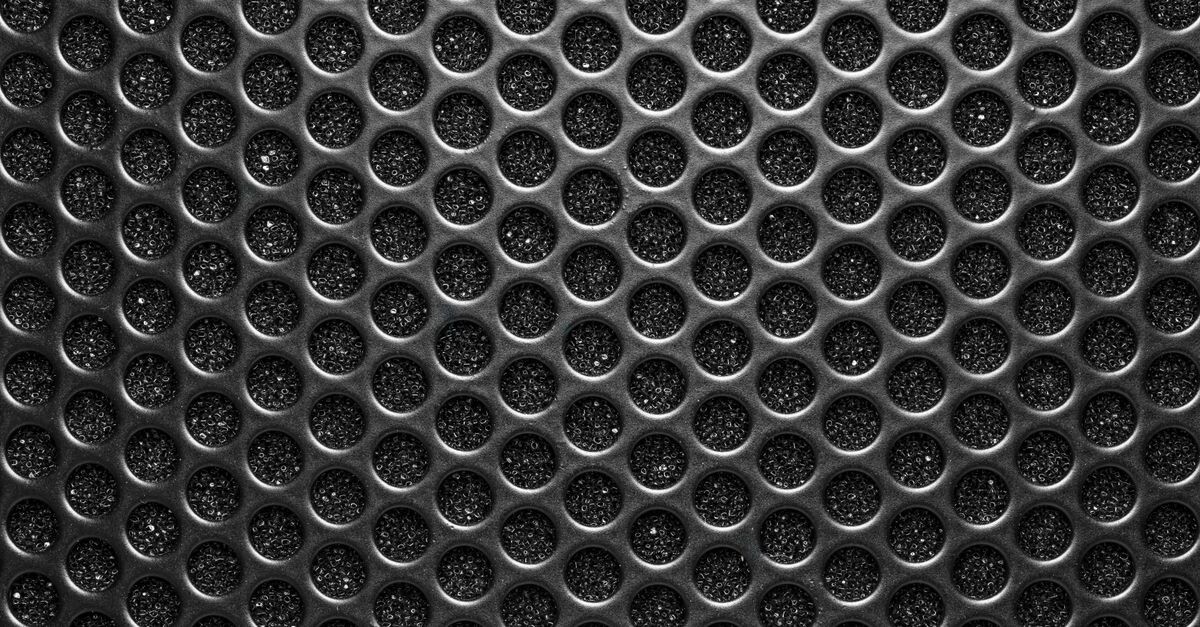
Direct Answer: An aluminium sound barrier is a wall system that reduces noise by reflecting, absorbing, and diffracting sound waves. It combines dense aluminium panels (for reflection) with perforated panels or sound!-absorbing cores like mineral wool (for absorption) to lower decibel levels. Performance depends on height, material, and placement relative to the noise source.
Installed strategically between a noise source (e.g., the PLUS Highway) and a receiver (e.g., a housing area), these barriers create an acoustic shadow zone. Their design often includes ribbed or corrugated profiles to increase stiffness and diffuse sound. For optimal performance in Selangor’s climate, they are treated with protective coatings to resist corrosion from humidity and industrial pollutants.
Key Benefits of Using Aluminium for Sound Barriers in Malaysia
Direct Answer: Aluminium offers superior durability in tropical climates, high strength-to-weight ratio for easier installation, inherent corrosion resistance, and low maintenance. These factors lead to longer service life (25+ years) and lower total cost compared to materials like steel or wood, making it ideal for Malaysian infrastructure.
- Corrosion Resistance: Aluminium naturally forms a protective oxide layer, making it highly resistant to high humidity and salt-laden air in coastal or industrial Selangor. Powder coating enhances this further.
- Structural Strength & Lightweight: Provides high integrity without excessive weight, simplifying logistics, reducing foundational needs, and allowing faster assembly with minimal traffic disruption.
- Low Maintenance & Longevity: Requires minimal upkeep—occasional washing suffices—unlike rust-prone or rotting materials, saving lifecycle costs for councils or highway operators.
- Design Flexibility & Aesthetics: Easily fabricated into various profiles and colours, allowing integration into residential or commercial areas in Selangor for visual appeal.
How to Choose the Right Aluminium Sound Barrier for Your Selangor Project
Direct Answer: Select by assessing acoustic needs (noise reduction in dBA), environmental conditions (coastal, industrial, urban), and regulatory compliance (DOE guidelines, Malaysian Standards). A professional acoustic engineer should model noise levels to specify the product, ensuring it meets required Noise Reduction Coefficient (NRC) or Sound Transmission Class (STC) ratings.
- Determine Acoustic Performance Needs: Conduct a noise impact assessment to quantify existing levels and target reduction, deciding between reflective or absorptive systems.
- Evaluate Environmental & Site Conditions: For coastal (e.g., Port Klang) or industrial sites, specify higher-grade protective coatings and consider wind load calculations for structural design.
- Verify Compliance & Certification: Ensure the barrier system complies with Malaysian standards (e.g., MS), with product data sheets showing verified NRC/STC values and coating specs.
- Consult with Reputable Suppliers: Work with specialists like Kamco Aluminium for engineered solutions, technical support, and quality guarantees. Explore their aluminium fabrication services for capabilities.
- Consider Installation & Long-Term Support: Factor in installer expertise for performance and safety, choosing suppliers offering design-to-maintenance guidance.
Installation Best Practices
Direct Answer: Install with secure foundation posts in concrete, precise alignment for airtight sealing, and durable weather-resistant materials to prevent flanking noise. This ensures designed acoustic performance and longevity in Selangor’s conditions.
- Foundation & Framework: Anchor posts to withstand high wind loads; keep framework plumb and level for proper panel fit without gaps.
- Panel Sealing: Seal all joints between panels and posts to eliminate sound leaks.
Maintenance Best Practices
Direct Answer: Maintain with bi-annual inspections for damage, corrosion, or loose fasteners; clean absorptive panels with low-pressure water to prevent clogging, and wash reflective panels for aesthetics. This upkeep extends lifespan beyond 25 years.
- Routine Inspection: Schedule checks for impact damage, corrosion at cut edges, and fastener integrity after severe weather.
- Cleaning: Gently clean perforated panels to maintain absorption; wash solid panels to preserve appearance.
For engineering principles, review Wikipedia’s Noise Barrier page.
Frequently Asked Questions (FAQs)
- How effective are aluminium sound barriers at reducing highway noise?
- Properly designed barriers reduce noise by 5–15 decibels (dBA), often meeting DOE guidelines. Effectiveness depends on height, proximity to source, and panel acoustic design.
- What is the typical lifespan of an aluminium sound barrier in Malaysia’s climate?
- High-quality, powder-coated barriers last 25+ years in Selangor, outperforming steel (rust) and wood (warp/rot) due to corrosion resistance and durability.
- Do I need planning permission to install a sound barrier in Selangor?
- Yes, typically approval from local authorities (e.g., Majlis Perbandaran) and the DOE is required, especially under the Environmental Quality Act for prescribed activities.
- Can aluminium sound barriers be used for industrial noise control?
- Yes, they excel for industrial applications like generator sets or manufacturing plants, using composite panels with sound-absorbing cores for high reduction needs.
- Are aluminium barriers more expensive than concrete or wood alternatives?
- Initial cost may be higher, but aluminium is more cost-effective over its lifecycle due to minimal maintenance, no painting, easier installation, and durability preventing replacements.
Share this content: