Food Grade Grease Guide: Safe Lubricants for Malaysia Industries 2026
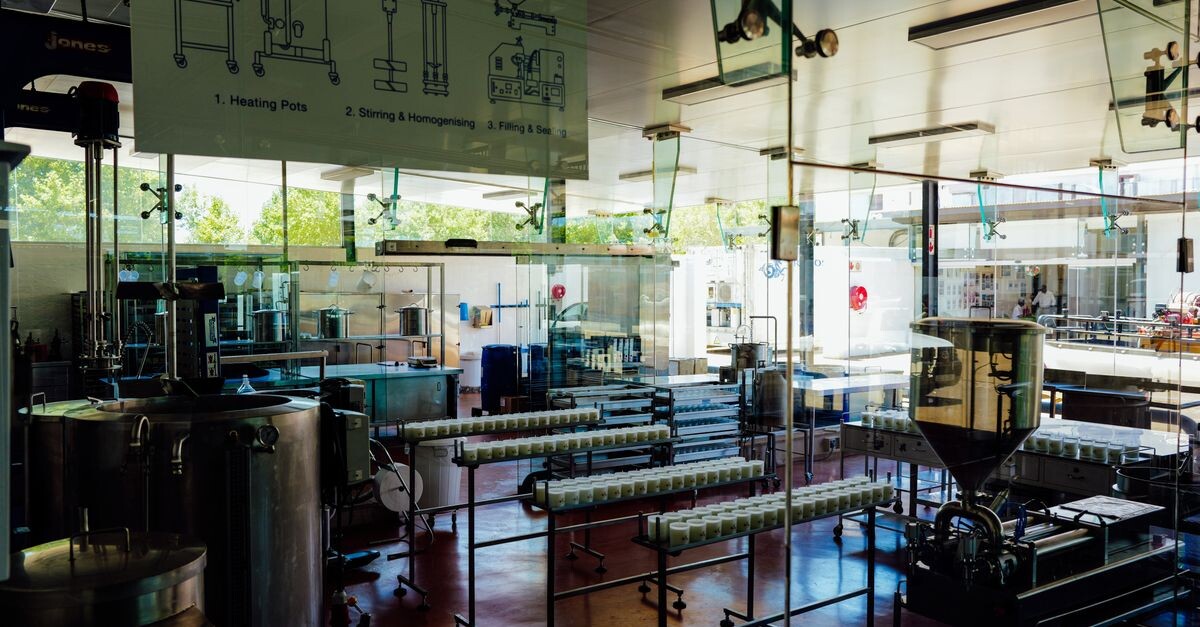
Food grade grease is a lubricant specifically formulated for incidental food contact in processing, packaging, and handling equipment. It is manufactured under strict purity standards using FDA-approved base oils and additives that will not contaminate food if trace contact occurs. In Malaysia’s strict food safety environment, regulated under the Food Act 1983 and Food Regulations 1985, using certified food grade grease is a legal and operational necessity. Plants in Kuala Lumpur and Selangor that supply hypermarkets, food service chains, and export markets must use NSF H1-registered lubricants to pass audits and avoid product recall exposure.
What Is Food Grade Grease and Why Does It Matter in Malaysia?
Food grade grease is a lubricant manufactured under FDA 21 CFR purity standards for equipment with incidental food contact potential. Malaysian food plants operating under the Food Act 1983 must use NSF H1-registered lubricants in production zones to satisfy HACCP, ISO 22000, and FSSC 22000 audit requirements. Non-compliance exposes KL and Selangor processors to recall risk, regulatory fines, and loss of export contracts.
Why Do Food Processing Plants Need Certified Food Safe Lubricants?
Certified lubricants prevent toxic migration of heavy metals and petroleum residues into food products during mechanical operation. For Malaysian manufacturers exporting to the EU, US, or Australia, NSF H1 certification is mandatory under HACCP, ISO 22000, and FSSC 22000 frameworks. Operators using uncertified grease risk losing major customer contracts, facing regulatory fines, and damaging brand reputation permanently.
What Are the Main Types of Food Grade Grease Available?
Food grade grease falls into four primary categories differentiated by base oil chemistry and thermal tolerance: PFPE for high-heat zones, synthetic hydrocarbon for general bearings, silicone for plastic-compatible seals, and aluminum complex for wet washdown environments.
- PFPE (Perfluoropolyether) Grease — Maximum chemical resistance and thermal stability up to 260°C. Ideal for bakery ovens, sterilizers, and high-heat cooking lines.
- Synthetic Hydrocarbon Grease — Wide temperature range and excellent wear protection. Commonly used in conveyor bearings and gearbox seals.
- Silicone-Based Grease — Water-resistant and compatible with plastics, rubber seals, and O-rings in beverage filling equipment.
- Aluminum Complex Grease — Waterproof and mechanically stable, suitable for wet cleaning environments like dairy and seafood plants.
For a complete technical breakdown of these grades, browse the FerroVic Food Safe Series catalog.
How Does NSF H1 Certification Work for Food Safe Lubricants?
NSF H1 registration certifies that a lubricant is safe for incidental food contact up to 10 parts per million (10 ppm) in the finished product. Registration requires full ingredient disclosure, toxicological evaluation, FDA 21 CFR compliance review, GMP-compliant manufacturing, and annual re-auditing by NSF International.
What Is the Difference Between H1, H2, and H3 Lubricant Categories?
The NSF classification system separates lubricants by contact probability: H1 covers incidental contact up to 10 ppm inside food zones, H2 covers zero-contact equipment outside production areas, and H3 covers edible oils for rust prevention on hooks and trolleys.
- H1 (Incidental Food Contact) — Maximum 10 ppm permissible concentration. Required for equipment within or directly adjacent to food zones.
- H2 (No Food Contact) — Used on equipment with zero possibility of contact, such as external motors, gearboxes, and hydraulic systems outside production areas.
- H3 (Edible Oils / Soluble Oils) — Used for rust prevention on hooks, trolleys, and equipment parts that may briefly contact food. Not suitable for moving mechanical parts.
Most Malaysian food plants require a mix of H1 and H2 lubricants depending on equipment proximity to the product line.
Where Is Food Grade Grease Typically Applied in Malaysian Food Plants?
Food grade grease is applied across five critical Malaysian production stages: conveyor bearings, bottling line gearboxes, meat processing blades, dairy centrifuge seals, and bakery oven bearings operating up to 250°C.
- Conveyor Systems — Bearings and chain drives transporting packaged goods through sorting, washing, and sealing zones.
- Bottling and Canning Lines — Filling machine gearboxes, capping heads, and label applicators in beverage plants.
- Meat and Poultry Processing — Cutter blades, tenderizer rollers, and forming equipment operating in cold, wet conditions.
- Dairy and Cheese Production — Centrifuge seals, pasteurizer pumps, and homogenizer bearings exposed to constant washdown.
- Bakery Ovens and Proofers — High-temperature bearing lubrication in rack ovens and tunnel ovens reaching 250°C.
How Should You Select the Right Food Grade Grease for Your Equipment?
Selecting the correct food grade grease requires a five-step technical framework: identify the equipment zone, match the operating temperature range, evaluate washdown exposure, verify base oil compatibility, and confirm certification documentation.
- Identify the Equipment Zone — Determine whether the component is inside the food zone (H1 required) or outside (H2 acceptable).
- Check Operating Temperature — Match the grease drop point and thermal range to actual operating temperatures plus safety margin.
- Evaluate Washdown Frequency — For daily high-pressure cleaning, choose aluminum complex or PFPE with IP-rated water resistance.
- Verify Base Oil Compatibility — Confirm grease chemistry will not react with existing seals, plastics, or previously used lubricants.
- Confirm Certification Documentation — Request the NSF registration letter, FDA compliance sheet, and technical data sheet (TDS) from the supplier.
What Are the Best Food Grade Grease Brands Used in Malaysia?
Malaysian industrial buyers source NSF H1 lubricants from five internationally certified manufacturers with local technical support: FerroVic, Mobil, Klüber, Castrol, and Shell — each offering HACCP documentation and Selangor-based distribution.
- FerroVic Food Safe Series — Comprehensive NSF H1 range covering grease, oils, and aerosols with KL warehouse availability.
- Mobil Industrial Food Grade — Mobilgrease FM 101 and FM 222 are widely stocked in Selangor industrial supply channels.
- Klüber Lubrication — German-engineered specialty lubricants used by multinational beverage manufacturers.
- Castrol Industrial — Castrol Optileb and Cassida ranges serving regional FMCG plants.
- Shell Foodsafe — Shell Cassida series offering full HACCP documentation support.
To compare specifications side-by-side and request technical datasheets for Malaysian operations, explore FerroVic’s full Food Safe Series here.
How Often Should Food Grade Grease Be Replenished or Replaced?
Relubrication intervals for Malaysian food plants range from 500 hours in high-temperature ovens to 2,000 hours in standard daily operations, with washdown-heavy environments requiring 750–1,000 hour cycles and 24/7 lines using ultrasound-based condition monitoring.
- Daily 8-Hour Operations — Re-grease bearings every 1,500 to 2,000 operating hours under normal loads.
- High-Temperature Ovens (Above 200°C) — Replace grease every 500 to 800 hours due to accelerated oxidation.
- Washdown-Heavy Environments — Inspect weekly and re-grease every 750 to 1,000 hours to prevent water washout.
- Continuous 24/7 Production Lines — Implement condition-based monitoring using ultrasound or vibration sensors for optimal scheduling.
Documenting relubrication cycles is also a HACCP audit requirement and demonstrates preventive maintenance compliance.
Frequently Asked Questions (FAQs)
Is food grade grease safe for direct food contact?
Food grade grease is rated for incidental contact only, not direct or intentional food contact. NSF H1 grease allows trace exposure up to 10 ppm in finished product. For any application where grease may directly touch food, use H3 edible oils or food-grade release agents instead.
Can food grade grease be used in home kitchens or food trucks?
Yes, food grade grease is suitable for commercial kitchen mixers, meat slicers, and food truck equipment. Small operators benefit from the same NSF H1 safety assurance, and home cooking equipment rarely requires lubrication beyond occasional appliance maintenance.
Where can I buy food grade grease in Kuala Lumpur or Selangor?
Industrial lubricant distributors in Shah Alam, Subang, and KL’s industrial zones stock NSF H1 products. Online procurement is available through FerroVic Food Safe Series, with technical datasheet downloads and bulk pricing for Malaysian operations.
How do I verify a lubricant is genuinely NSF H1 certified?
Check the official NSF White Book database online using the product registration number. Verify the registration is current, not expired, and confirm the manufacturer name matches the supplier’s documentation. Fraudulent certification claims are common in the region.
Does food grade grease cost more than standard industrial grease?
Food grade grease typically costs 2 to 4 times more per kilogram than conventional industrial grease due to expensive base oils, certification fees, and stricter production controls. However, the cost premium is minimal compared to product recall expenses, regulatory fines, and lost customer contracts from contamination incidents.
For more industrial lubricant insights and Malaysia-specific procurement guidance, explore related coverage at Interesting Indeed FerroVic Category.
Share this content: