Complete Guide to Transformer Installation in Klang Valley, Malaysia – QPS Transformers
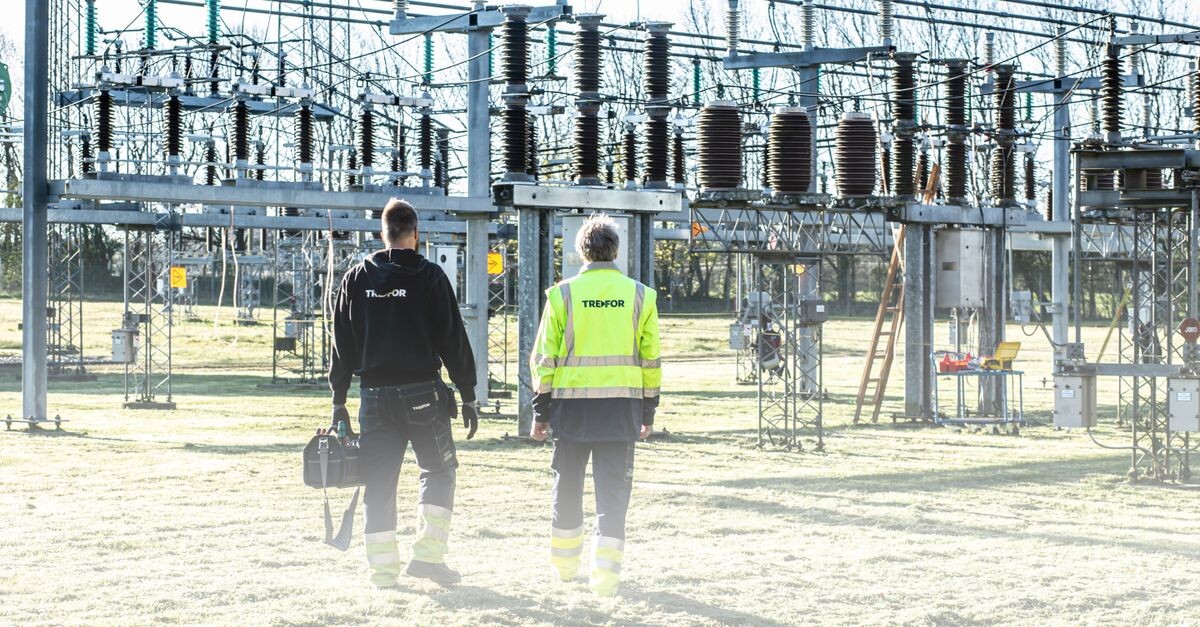
Transformer installation is a critical process that ensures reliable electricity supply for residential, commercial, and industrial consumers in the Klang Valley. This guide outlines the essential procedures, safety requirements, and local considerations specific to Malaysia’s most dynamic region. Follow the steps below to achieve a compliant and efficient installation.
\n
What are the key steps for transformer installation in Klang Valley?
\n
The key steps for transformer installation in Klang Valley are conducting a site survey, preparing a reinforced concrete foundation, positioning and securing the unit with cranes, making electrical connections to primary and secondary windings, and performing testing and commissioning before energization.
\n
- \n
- Site Survey: Assess load requirements, soil conditions, and accessibility.
- Foundation Preparation: Install reinforced concrete plinth per transformer weight.
- Unit Positioning: Use cranes to place transformer securely on plinth.
- Electrical Connections: Connect primary and secondary windings to network cables.
- Testing & Commissioning: Perform insulation resistance, ratio, and polarity tests before energizing.
\n
\n
\n
\n
\n
\n
How do you prepare the site for a transformer installation?
\n
Site preparation involves clearing vegetation and debris, leveling the ground to within 15 mm tolerance, pouring a reinforced concrete plinth at least 300 mm thick with steel rebar, installing drainage channels to prevent water accumulation, and verifying crane access routes while obtaining any required road closure permits.
\n
- \n
- Clear vegetation and debris.
- Level ground to within 15 mm tolerance.
- Pour reinforced concrete plinth (minimum thickness 300 mm, reinforced with steel rebar).
- Install drainage channels to prevent water accumulation.
- Verify crane access paths and obtain road closure permits if needed.
\n
\n
\n
\n
\n
\n
What safety standards must be followed during transformer installation in Malaysia?
\n
Installers must comply with MS IEC 60076 for power transformers, the Electricity Supply Act 1990, and DOSH’s Occupational Safety and Health Act 1994, using proper PPE, lock‑out/tag‑out procedures, emergency grounding, daily safety briefings, permit‑to‑work checks, and post‑installation visual inspection and insulation resistance testing.
\n
- \n
- Wear insulated gloves, safety helmets, and safety shoes.
- Apply lock‑out/tag‑out on live parts before work.
- Ensure grounding of transformer tank during installation.
- Conduct daily safety briefings and permit‑to‑work checks.
- Post‑installation, perform visual inspection and insulation resistance test.
\n
\n
\n
\n
\n
\n
Which QPS Transformers products are suitable for Klang Valley installations?
\n
QPS Transformers offers oil‑filled distribution transformers (11 kV/0.4 kV, 500 kVA‑2 MVA) for outdoor substations, dry‑type cast‑resin units for indoor fire‑sensitive locations, and pad‑mounted sealed transformers for tight urban spaces, all meeting MS IEC standards and backed by local warranty support and are designed for tropical climates.
\n
- \n
- Oil‑filled distribution transformers (11 kV/0.4 kV, 500 kVA‑2 MVA) – ideal for outdoor pole‑mounted or ground‑mounted substations.
- Dry‑type cast‑resin transformers – suited for indoor installations where fire safety is paramount (e.g., commercial buildings, hospitals).
- Pad‑mounted transformers – sealed, tamper‑proof units for urban areas with limited space.
\n
\n
\n
\n
For more insights on transformer solutions in Malaysia, visit our partner page: https://interesting-indeed.com/blog/v1/category/best-of-malaysia/qpstransformers-com/
\n
For detailed product specifications, refer to the official QPS Transformers website: https://www.qpstransformers.com/
\n
How to obtain permits and comply with regulations from Suruhanjaya Tenaga (Energy Commission) in Malaysia?
\n
To secure approval, submit a single line diagram, equipment data sheets, and site layout via ST’s online portal with a professional engineer’s endorsement; ST reviews for compliance with the Electricity Supply Act and grid code, then issues a clearance permit allowing installation and subsequent testing.
\n
- \n
- Single line diagram showing transformer rating, connections, and protection.
- Equipment data sheets (ratings, impedance, cooling class).
- Site layout plan with dimensions, access routes, and clearance distances.
- Professional engineer’s endorsement (PE stamp).
- Completed application form from ST portal.
\n
\n
\n
\n
\n
\n
What are the common challenges and solutions in transformer installation in Klang Valley?
\n
Common challenges include limited access in dense urban areas, high humidity affecting insulation, and coordination with multiple utility stakeholders; solutions involve using modular transport equipment, applying moisture‑resistant coatings, and holding early coordination meetings with TNB, local councils, and DOSH to align outage windows and secure road closures.
\n
- \n
- Limited access: Use self‑propelled modular transporters (SPMTs) or hydraulic skids to maneuver in tight streets.
- High humidity: Apply silicone‑based moisture‑resistant coating on windings and external surfaces.
- Stakeholder coordination: Schedule weekly meetings with Tenaga Nasional Berhad (TNB), local municipal council, and DOSH to align outage windows.
\n
\n
\n
\n
Frequently Asked Questions (FAQs)
\n
How long does a typical transformer installation take in Klang Valley?
\n
A typical transformer installation in Klang Valley, from site preparation to energization, takes between two and four weeks depending on unit size and site accessibility. Typical activities include foundation work, unit placement, electrical termination, and testing, while permit approvals, weather conditions, and coordination with utilities can extend this timeline.
\n
What maintenance is required after a transformer is commissioned?
\n
Routine maintenance after commissioning includes quarterly visual inspections, annual oil sampling for oil‑filled units, and thermographic scanning of all connections. Keeping the surrounding area clean, ensuring proper ventilation, and checking for oil leaks or abnormal noises also help prolong the transformer’s lifespan and maintain reliability.
\n
Are dry‑type transformers suitable for outdoor installations in Malaysia?
\n
Dry‑type transformers are primarily designed for indoor or sheltered locations because they lack the environmental protection of oil‑filled units. For outdoor use in Malaysia’s tropical climate, they require an additional protective enclosure or should be replaced with oil‑filled or cast‑resin transformers rated for outdoor conditions.
\n
How do I verify that a transformer meets MS IEC standards?
\n
Check the manufacturer’s test reports and certification labels that reference MS IEC 60076 parts, and request a copy of the type test certificate from the supplier. You can also verify approval via Suruhanjaya Tenaga’s published list of authorized equipment or by cross‑checking the transformer’s serial number against the ST database.
\n
What is the average cost range for a 1 MVA distribution transformer in Klang Valley?
\n
A 1 MVA, 11 kV/0.4 kV oil‑filled distribution transformer in Klang Valley typically costs between RM 120,000 and RM 180,000, excluding transport and installation. Prices vary based on accessories such as tap changers, cooling accessories, warranty terms, and the specific supplier’s pricing structure and may also fluctuate with raw material costs.
\n
Share this content: