Custom Transformer Design Guide for Industries in Klang Valley, Malaysia
Custom transformer design is essential for industries in Klang Valley that require tailored power solutions beyond standard off‑the‑shelf units. By aligning voltage, power, frequency, and environmental specifications with the transformer’s core and winding configuration, manufacturers achieve higher efficiency, lower losses, and reliable operation for applications ranging from heavy machinery to data centres and renewable energy installations.
What is custom transformer design and how does it benefit businesses in Klang Valley?
Custom transformer design tailors voltage, power, frequency, and environmental specs to a transformer’s core and winding configuration, delivering higher efficiency, lower losses, and reliable operation for Klang Valley industries such as heavy manufacturing, data centres, and renewable energy projects where off‑the‑shelf units fall short.
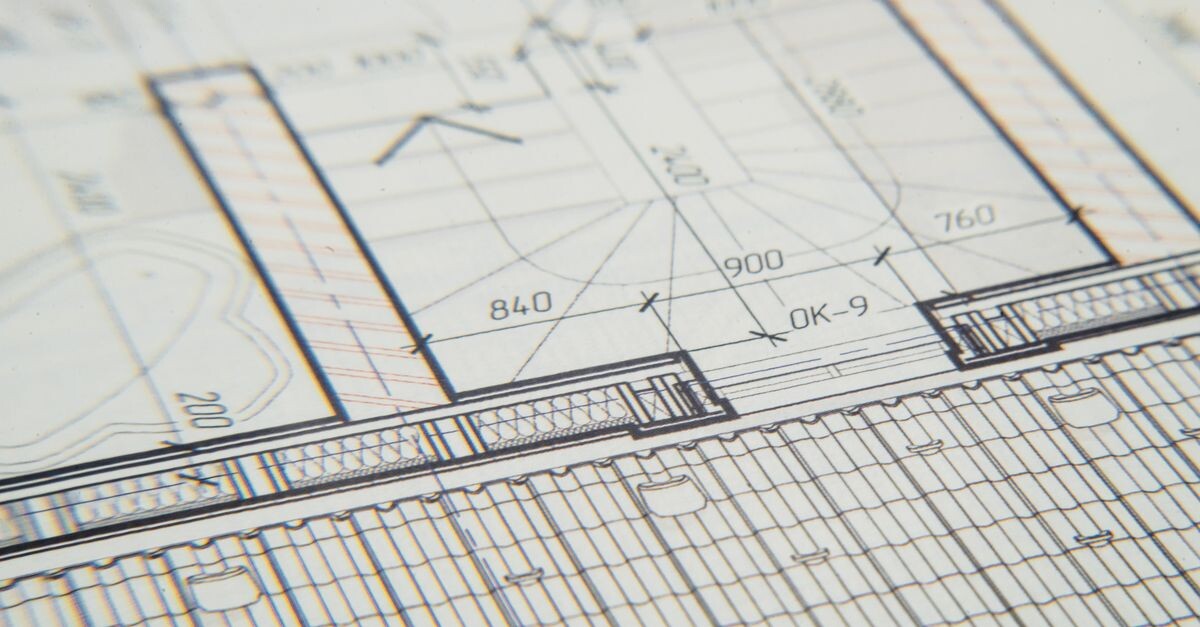
The process begins with a detailed client brief outlining load profiles, voltage levels, duty cycles, and site conditions. Engineers then perform electromagnetic simulations to size the core and determine winding turns, followed by thermal analysis to keep temperature rise within limits, and mechanical design to address vibration and mounting.
What are the key steps in the custom transformer design process?
The custom transformer design process follows a systematic sequence: capturing client specifications, performing electromagnetic and thermal calculations, selecting core material and winding method, creating schematics, prototyping, conducting factory and site acceptance tests, and delivering the unit with full documentation and after‑sales support.
- Requirement capture
- Electromagnetic and thermal calculations
- Core material and winding selection
- Schematic creation
- Prototyping
- Factory acceptance test (FAT)
- Site acceptance test (SAT)
- Delivery with documentation
Which technical parameters must be defined before designing a custom transformer?
Essential parameters include rated power (kVA/MVA), primary and secondary voltages, frequency (typically 50 Hz in Malaysia), impedance, temperature‑rise limits, cooling method (ONAN, ONAF, forced), short‑circuit withstand capability, and environmental factors such as altitude, humidity, and exposure to corrosive gases or dust, and must be defined upfront to guide core size, winding turns, and insulation choices.
- Rated power (kVA/MVA)
- Primary and secondary voltages
- Frequency (typically 50 Hz)
- Impedance
- Temperature‑rise limits
- Cooling method (ONAN, ONAF, forced)
- Short‑circuit withstand capability
- Environmental factors (altitude, humidity, corrosive gases/dust)
Additional considerations include overload capability, harmonic limits, noise requirements, and industry‑specific regulations.
What materials and winding techniques are commonly used in custom transformers for Malaysian applications?
In Malaysia’s humid tropical climate, designers favor grain‑oriented silicon steel cores paired with high‑conductivity copper or aluminium windings, using layer winding for low‑voltage coils, disc or helical winding for high‑voltage sections, and interleaved insulation to manage thermal stress and prevent moisture ingress.
- Core: grain‑oriented silicon steel (CRGO); alternatives: amorphous steel, nanocrystalline alloys
- Windings: high‑conductivity copper or aluminium; enamel‑covered wire, paper‑covered conductors, foil strips
- Winding techniques: layer winding (LV), disc or helical winding (HV), interleaved insulation
- Insulation: Nomex, pressboard, epoxy‑resin systems; selected by temperature class and dielectric strength
How do core selection and insulation impact performance?
Core selection sets magnetic flux density and determines hysteresis and eddy‑current losses, directly affecting efficiency and heating; insulation materials must withstand the temperature class, provide dielectric strength, and resist moisture, as inadequate insulation leads to partial discharge, reduced lifespan, or catastrophic failure.
Core choice sets magnetic flux density and determines hysteresis and eddy‑current losses, directly affecting efficiency and heating. Insulation must withstand the temperature class, provide dielectric strength, and resist moisture; inadequate insulation leads to partial discharge, reduced lifespan, or catastrophic failure. Proper interleaving reduces axial stress and improves heat dissipation, especially in high‑voltage windings.
What testing and certification standards apply to custom transformers in Malaysia?
Custom transformers must comply with IEC 60076 series for power transformers, IEC 61378 for converters, and local SIRIM QAS standards such as MS IEC 60076‑1; routine tests include ratio, polarity, resistance, insulation resistance, induced overvoltage, temperature rise, and short‑circuit withstand, while type tests verify impulse, sound level, and sealing effectiveness.
- Routine tests: ratio, polarity, resistance, insulation resistance, induced overvoltage, temperature rise, short‑circuit withstand
- Type tests: impulse, sound level, sealing effectiveness
- Standards: IEC 60076 series, IEC 61378, SIRIM QAS (MS IEC 60076‑1)
- Additional: partial discharge measurement, harmonic analysis, temperature cycling for harsh environments
- Certification bodies: SIRIM, Energy Commission (Suruhanjaya Tenaga), IEC‑recognized labs
Which local and international standards must be met?
In addition to IEC and SIRIM standards, manufacturers often follow ANSI/IEEE C57.12.00 for general requirements, NEMA TR‑1 for transformer ratings, and ISO 9001 for quality management; renewable‑energy projects may also need IEC 62271‑200 and IEC 61850, while local rules enforce MS 1836 safety markings and the Electricity Supply Act 1990.
- ANSI/IEEE C57.12.00 – general requirements
- NEMA TR‑1 – transformer ratings
- ISO 9001 – quality management
- Renewable‑energy add‑ons: IEC 62271‑200, IEC 61850
- Local: MS 1836 safety markings, Electricity Supply Act 1990
How can companies in Klang Valley source reliable custom transformer manufacturers?
Companies should seek suppliers with a proven track record in custom power electronics, in‑house design and testing facilities, ISO 9001 and SIRIM approval, and full lifecycle support—from feasibility studies and prototyping to installation, commissioning, and after‑sales service—verified by facility visits and case‑study reviews.
- Look for in‑house design and testing facilities
- Verify ISO 9001 and SIRIM approval
- Assess track record in custom power electronics
- Request facility visits and case‑studies
- Seek full lifecycle support: feasibility studies, prototyping, installation, commissioning, after‑sales service
What criteria should be used to evaluate a transformer supplier?
Key evaluation criteria include engineering expertise (design software, simulation), manufacturing capacity (lead times, scalability), quality assurance (test reports, traceability), past project references in similar industries, warranty terms, after‑sales support, total‑ownership cost versus purchase price, and supplier stability, environmental compliance, spare‑part availability, and willingness to collaborate on design optimization.
- Engineering expertise: design software, simulation capabilities
- Manufacturing capacity: lead times, scalability
- Quality assurance: test reports, traceability
- Past project references in similar industries
- Warranty terms and after‑sales support availability
- Total‑ownership cost vs. purchase price (efficiency losses, maintenance)
- Supplier financial stability, environmental compliance, spare‑part availability
- Willingness to collaborate on design optimization and provide staff training
Frequently Asked Questions (FAQs)
This section answers the most common questions about custom transformer design for Klang Valley industries, covering lead times, humidity effects, winding material choices, short‑circuit testing, and dual IEC/ANSI compliance to help buyers make informed decisions. It provides concise, expert‑based answers grounded in IEC and SIRIM standards, ensuring clarity for engineers, procurement teams, and project managers.
What is the typical lead time for a custom transformer in Klang Valley?
Lead times for a custom transformer in Klang Valley typically range from 8 to 16 weeks, depending on the complexity of the design, availability of core materials such as CRGO or amorphous steel, and the extent of required testing; expedited schedules are possible for urgent projects but usually involve additional costs for overtime, premium freight, or fast‑track prototype tooling.
How does humidity affect transformer performance in Malaysia?
High humidity in Malaysia can lower the dielectric strength of insulation and increase the risk of moisture ingress, which may trigger partial discharge and accelerate ageing; designers counter this by using moisture‑resistant materials such as Nomex or epoxy‑resin systems, applying proper sealing, and selecting tanks with corrosion‑protected finishes.
Are aluminium windings acceptable for power transformers in Malaysian industry?
Aluminium windings are acceptable for power transformers in Malaysian industry when weight reduction is critical; however, aluminium’s lower conductivity requires a larger cross‑section to match copper’s performance, and joints must be executed with proper oxidation‑prevention techniques such as ultrasonic welding or tin‑plating to ensure long‑term reliability.
What testing confirms a transformer can handle short‑circuit conditions?
Short‑circuit withstand testing applies a sudden high current for a defined duration while monitoring temperature rise and mechanical stress; pass criteria are defined in IEC 60076‑5, requiring that the transformer withstands the mechanical and thermal effects without deformation, insulation damage, or excessive temperature increase.
Can I get a transformer that meets both IEC and ANSI standards?
Many manufacturers design transformers to satisfy both IEC and ANSI/IEEE criteria by meeting the stricter of each requirement—such as voltage ratings, temperature class, and test procedures—ensuring the unit can be marketed and installed in regions that follow either standard without needing redesign or re‑certification.
Share this content: