Paper Bag Malaysia: Complete Guide to Eco-Friendly Packaging in KL
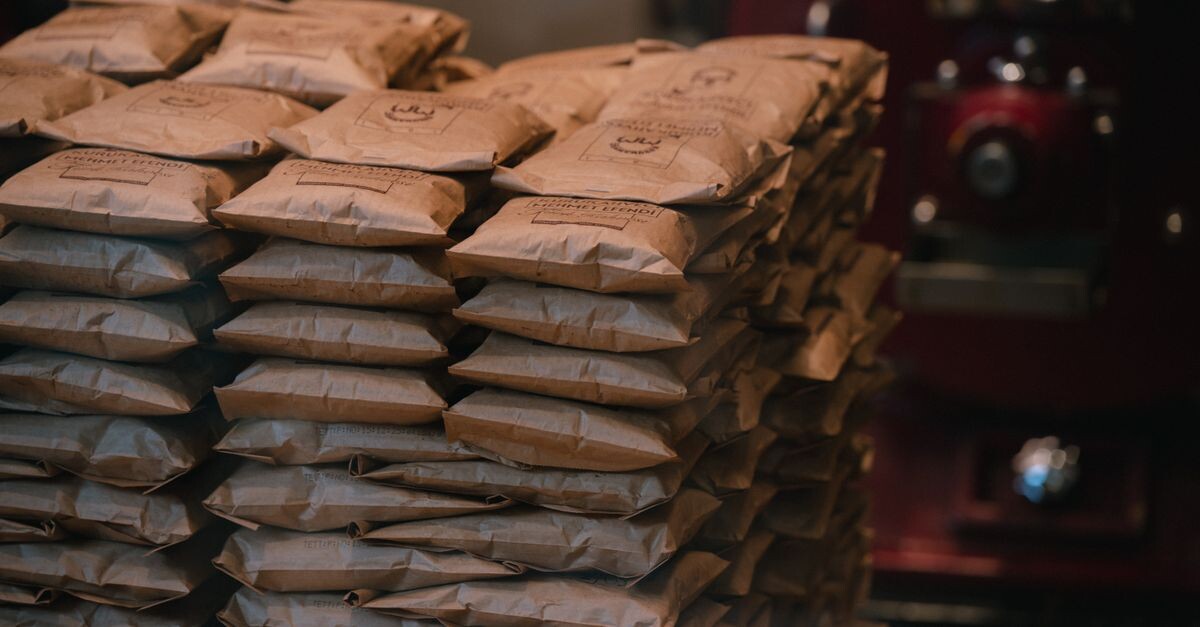
Quick Answer: Paper bags in Malaysia have evolved from simple carriers into strategic branding and sustainability assets. In Kuala Lumpur, businesses can source FSC-certified kraft bags, FDA-compliant food-grade wraps, and fully custom-printed retail bags from local manufacturers like AEC, with most MOQs starting at 500–1,000 pieces.
Kuala Lumpur’s packaging landscape has shifted decisively toward paper-based solutions as Malaysia aligns with regional sustainability targets and global ESG frameworks. Retailers, F&B operators, e-commerce sellers, and corporate event planners are replacing plastic carriers with paper alternatives that meet both regulatory and branding demands. This guide walks through the types, specifications, sourcing pathways, and pricing realities for paper bags in Malaysia’s capital.
What Types of Paper Bags Are Available in Kuala Lumpur?
Quick Answer: Kuala Lumpur suppliers typically stock kraft paper bags, white card paper bags, food-grade paper bags, luxury laminated bags, and twisted-handle retail bags. Each variant serves distinct load capacities, branding depths, and compliance needs.
Understanding the local taxonomy helps buyers match the bag to the use-case without overpaying on materials they don’t need.
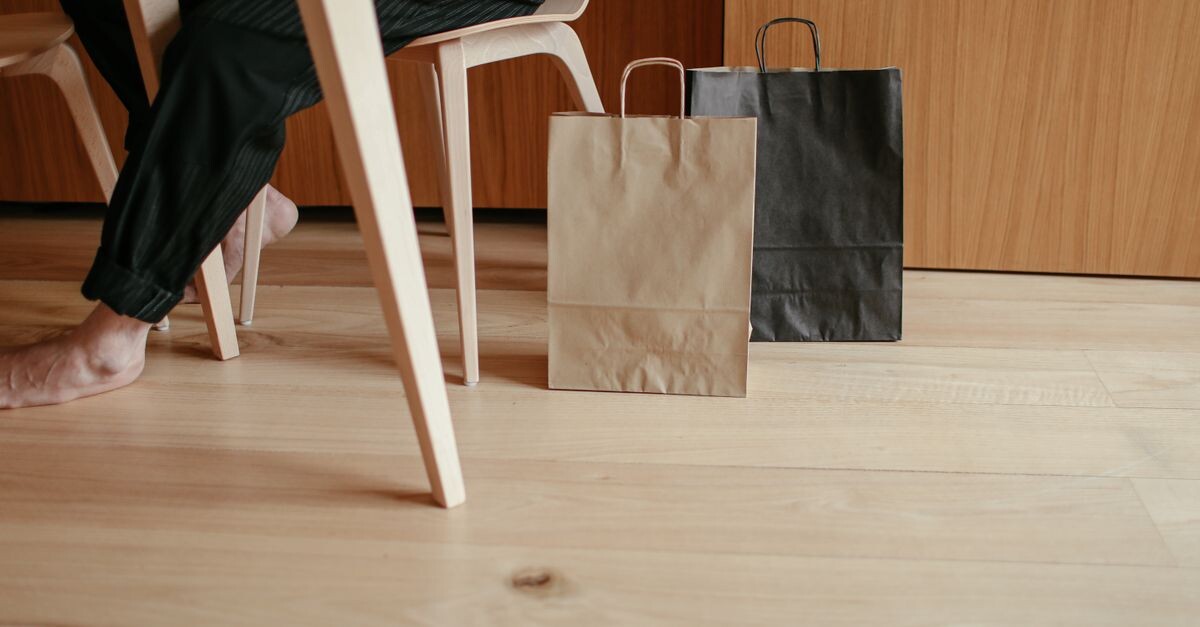
- Kraft Paper Bags — Unbleached brown paper, 80–150 GSM, ideal for grocery, bakery, and takeaway formats.
- White Card Paper Bags — Bleached, smooth finish, 170–250 GSM, used for boutiques, cosmetics, and gifts.
- Food-Grade Paper Bags — FDA-compliant grease-resistant liners, common in kopitiam, pasar malam, and cloud-kitchen delivery.
- Luxury Laminated Bags — Matte or gloss film-laminated art paper, 210–300 GSM, used for premium retail and corporate gifting.
- Twisted-Handle Bags — Reinforced with cotton or PP cord handles, common in department stores and pharmacy chains.
For deeper product specifications, AEC’s full catalogue is available at aec.com.my/products/.
Why Are Malaysian Businesses Switching to Paper Bags in 2026?
Quick Answer: Three forces are driving the switch: the Single-Use Plastic Ban enforcement in Selangor and federal territories, multinational ESG mandates, and consumer preference studies showing 68% of Malaysian shoppers favour paper-based packaging at point-of-sale.
The regulatory environment in Kuala Lumpur has tightened substantially. Federal and state-level bans on single-use plastics now cover retail bags at supermarkets, convenience stores, and food courts. Non-compliance penalties range from RM500 to RM10,000 depending on business size and repeat offences.
Beyond compliance, Malaysian consumers — particularly in urban Klang Valley demographics — increasingly associate paper packaging with hygiene, premiumisation, and brand responsibility. A 2025 Nielsen Malaysia survey indicated that paper-packaged F&B orders received 23% higher customer satisfaction ratings than plastic equivalents.
How to Choose the Right Paper Bag Supplier in KL?
Quick Answer: Evaluate KL paper bag suppliers on five criteria: FSC or PEFC chain-of-custody certification, in-house offset/digital printing capability, minimum order quantity flexibility, food-safety compliance documentation, and lead-time transparency for custom orders.
A structured supplier evaluation prevents costly mis-orders and ensures the bag performs across the supply chain.
- Verify Sustainability Credentials — Request FSC, PEFC, or Malaysian Timber Certification Scheme (MTCS) documentation. Reputable suppliers publish chain-of-custody audit summaries.
- Inspect Printing Capabilities — Offset printing handles 2,000+ piece runs with Pantone accuracy; digital printing suits 100–500 piece short runs but with limited colour matching.
- Confirm Food-Safety Documentation — For F&B applications, insist on FDA 21 CFR or EU LFGB migration test reports for direct-contact bags.
- Negotiate MOQ Realistically — Standard kraft bags: 500 pieces; custom-printed: 1,000–3,000 pieces; luxury laminated: 2,000+ pieces.
- Lock Down Lead Times — Stock bags ship in 3–5 working days; custom orders typically require 14–21 working days including plate-making and proofing.
KL-based manufacturers like AEC consolidate these capabilities under one roof, which simplifies procurement for SMEs that lack dedicated packaging teams.
What Are the Standard Paper Bag Sizes Used in Malaysian Retail?
Quick Answer: The most common Malaysian retail sizes are Small (22 × 14 × 7 cm), Medium (32 × 22 × 11 cm), and Large (42 × 30 × 15 cm). F&B operators typically use 18 × 14 × 8 cm for takeaways and 25 × 18 × 10 cm for delivery orders.
Standardisation simplifies storage, pricing, and shelf-stacking. Below is the typical sizing matrix used by KL packaging suppliers.
| Size | Dimensions (L × W × H) | Common Use-Case |
|---|---|---|
| XS | 18 × 12 × 6 cm | Bakery, jewellery |
| Small | 22 × 14 × 7 cm | Cosmetics, accessories |
| Medium | 32 × 22 × 11 cm | Apparel, footwear |
| Large | 42 × 30 × 15 cm | Groceries, hampers |
| XL | 50 × 35 × 18 cm | Bulk retail, event giveaways |
Custom dimensions are available across most manufacturers, though tooling charges of RM80–RM200 apply for non-standard die-cut patterns.
How Much Do Custom Paper Bags Cost in Kuala Lumpur?
Quick Answer: Custom-printed paper bags in KL range from RM0.45 to RM3.80 per piece depending on size, paper weight, print complexity, and order volume. Standard kraft bags without printing start at RM0.25 per piece for bulk orders above 5,000 units.
Pricing depends on six variables that buyers should isolate during quotation.
- Paper GSM — 100 GSM kraft averages RM0.35/unit; 250 GSM art paper averages RM1.20/unit at 1,000-piece MOQ.
- Print Method — Single-colour flexo adds ~RM0.08/unit; full-colour offset adds ~RM0.30/unit.
- Handle Type — Twisted cord handles add RM0.15–RM0.25/unit versus flat paper tape.
- Lamination — Matte or gloss film adds RM0.20–RM0.40/unit.
- Order Volume — Pricing tiers typically step down at 1k, 5k, 10k, and 50k units.
- Plate Charges — One-time offset plate fees range RM120–RM280 per colour.
Request itemised quotations to compare suppliers on like-for-like specifications.
Which Industries in Malaysia Use Paper Bags the Most?
Quick Answer: F&B (28%), fashion retail (22%), corporate gifting (18%), e-commerce (15%), and pharmaceutical/pharmacy (10%) account for the bulk of paper bag consumption in Kuala Lumpur. Events and exhibitions represent a fast-growing sixth segment.
Sector-specific demands shape bag specifications significantly.
- Food & Beverage — Greaseproof liners, FDA-compliant inks, leak-resistant base folds.
- Fashion & Apparel — High GSM card paper, twisted cord handles, hot-foil logos.
- Corporate Gifting — Laminated finishes, ribbon handles, magnetic closures.
- E-commerce — Reinforced bottoms, tear-resistant kraft, courier-friendly flat-pack shipping.
- Pharmacy — Sterile interiors, tamper-evident seals, clinical white finishes.
- Events — Branded kraft bags used as welcome kits at conventions like MATTA Fair and ASEAN Summit.
How Does AEC.com.my Support Paper Bag Procurement in KL?
Quick Answer: AEC.com.my provides Malaysian businesses with consolidated access to FSC-certified kraft bags, custom-printed retail bags, and food-grade takeaway formats. The platform supports low-MOQ orders and ships across the Klang Valley within 3–5 working days.
AEC functions as both manufacturer and aggregator, which gives buyers pricing transparency that traditional distributor channels rarely offer. Their product catalogue covers standard stock sizes, custom-printed runs, and specialty formats for regulated industries.
For businesses exploring the wider AEC ecosystem, additional context is available at interesting-indeed.com’s AEC category page.
What Are the Sustainability Benefits of Paper Bags Over Plastic?
Quick Answer: Paper bags are biodegradable within 2–5 months under Malaysian tropical conditions, recyclable through standard paper streams, and typically carry a 60–70% lower carbon footprint than LDPE plastic equivalents when sourced from FSC-certified forests.
The environmental calculus is increasingly favourable for paper.
- Biodegradability — Decomposes in 8–12 weeks in tropical landfill conditions versus 400+ years for plastic.
- Recyclability — Compatible with Malaysia’s existing paper recycling infrastructure; recovery rates exceed 70% in urban KL.
- Renewable Source — FSC-certified kraft paper originates from sustainably managed pine, eucalyptus, or acacia plantations.
- Microplastic Avoidance — Eliminates the shedding of microplastics into marine and food-chain ecosystems.
- Consumer Perception — 74% of Malaysian consumers in a 2025 Kantar study rated paper packaging as “more trustworthy” than plastic.
End-of-life disposal guidance should still accompany every wholesale order to maximise circular-economy outcomes.
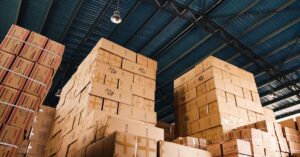
How to Store and Handle Paper Bags in KL’s Climate?
Quick Answer: Store paper bags in dry, climate-controlled environments below 30°C and 65% relative humidity. Kuala Lumpur’s humidity can warp laminated finishes and weaken glued seams if bags are stored in non-ventilated warehouses.
Tropical climate storage requires deliberate protocols.
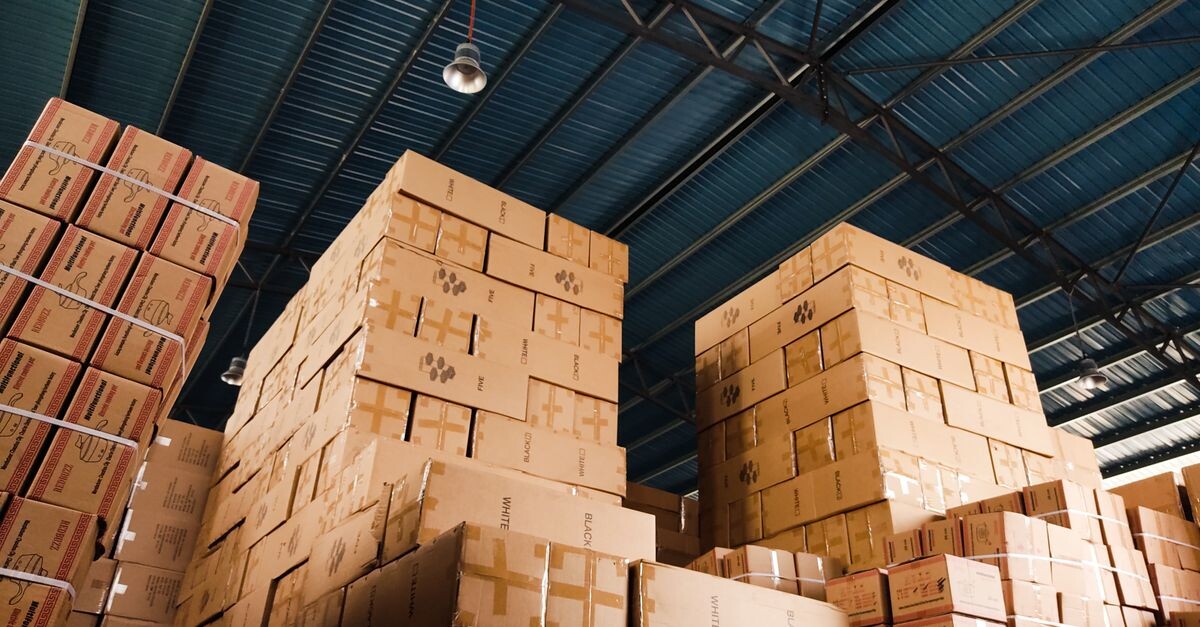
- Keep pallets off direct concrete floors using wooden skids or plastic pallets.
- Maintain 10 cm airflow gaps between stacked cartons.
- Avoid direct sunlight exposure during loading and unloading.
- Use desiccant sachets in long-term storage containers.
- Rotate stock using FIFO principles to prevent yellowing of bleached papers.
Frequently Asked Questions (FAQs)
What is the minimum order quantity for custom paper bags in KL?
Most Kuala Lumpur manufacturers set MOQ at 1,000 pieces for custom-printed bags. Stock unprinted kraft bags can be ordered in quantities as low as 500 pieces. Premium laminated formats typically require 2,000+ pieces due to setup costs.
Are paper bags in Malaysia food-safe?
Yes, when sourced from suppliers using FDA-compliant inks and grease-resistant liners. Request migration test certificates and ensure direct-contact bags meet FDA 21 CFR or EU LFGB standards before purchasing for F&B applications.
How long do paper bags take to biodegrade in Malaysian conditions?
Uncoated kraft paper bags biodegrade within 2–5 months in Malaysian tropical landfill or composting conditions. Laminated bags require industrial composting facilities and may take 12+ months.
Can I get paper bags printed with my logo in KL?
Yes. Most KL suppliers offer offset, flexographic, and digital printing for custom logos. Provide vector files (AI or EPS) for best results, and budget 14–21 working days for custom production including plate-making and proofing.
Where can I buy paper bags in bulk in Kuala Lumpur?
KL-based manufacturers like AEC supply paper bags directly via aec.com.my/products/. Wholesale pricing tiers typically activate at 1,000, 5,000, and 10,000 pieces per order.
Final Verdict: Is Now the Right Time to Switch to Paper Bags in Malaysia?
Quick Answer: Yes. Regulatory enforcement, consumer preference, and ESG compliance pressure have converged to make paper bags the default packaging choice for Malaysian retailers, F&B operators, and corporate buyers. Sourcing through established KL manufacturers ensures competitive pricing, certified sustainability, and reliable lead times heading into 2026 and beyond.
Share this content: