PP Woven Bags in Malaysia: Types, Uses, Prices & Suppliers 2026
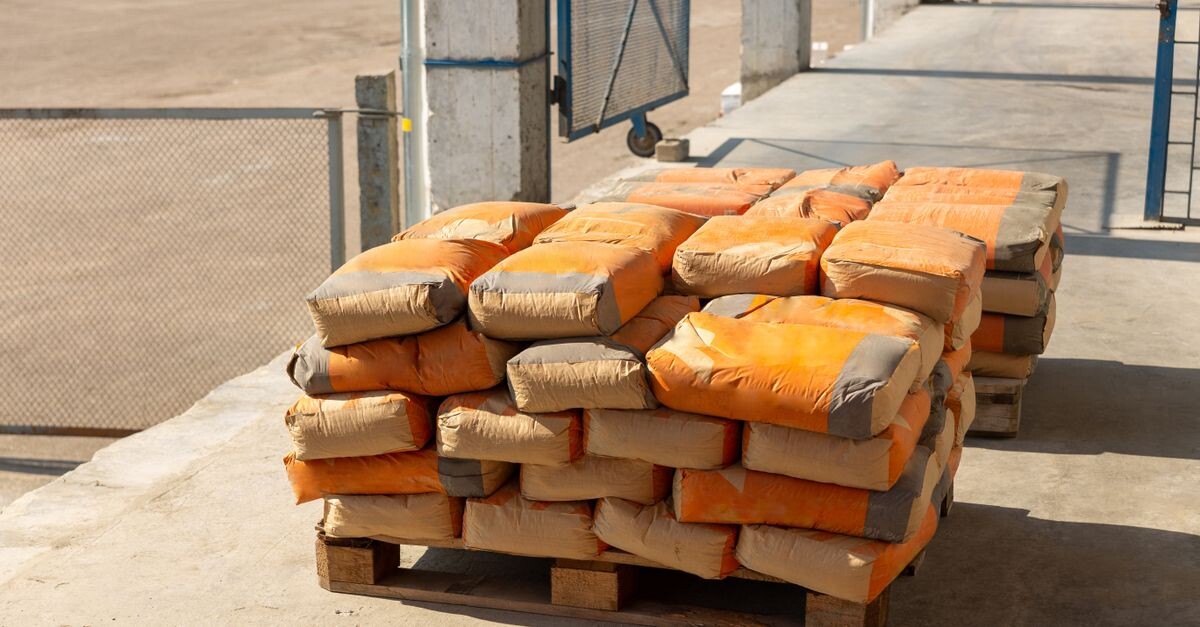
A PP woven bag is a packaging container made from woven polypropylene tapes, designed for high tensile strength, moisture resistance, and bulk storage. In Malaysia, these bags dominate industries such as agriculture, construction, chemicals, and animal feed because they offer a 50–70 kg load capacity at a fraction of the cost of jute or paper alternatives.
What Is a PP Woven Bag and Why Is It Widely Used in Malaysia?
PP woven bags are woven polypropylene sacks engineered for high tensile strength, moisture resistance, and bulk storage of 50–70 kg loads. In Malaysia, they dominate agriculture, construction, chemicals, and animal feed packaging because they cost 30–50% less than jute or paper alternatives. UV-stabilized variants withstand tropical humidity of 75–90% and direct sunlight for 6–12 months.
Why Malaysian manufacturers prefer PP woven sacks
- Handle 25–100 kg loads with burst strength of 40–60 kg/cm².
- Resist moisture absorption below 1% when laminated.
- Survive Malaysia’s tropical climate, including monsoon rains and humidity above 80%.
- Reusable 3–5 times, reducing per-unit packaging cost for bulk buyers.
How Are PP Woven Bags Manufactured?
PP woven bags are produced through extrusion, stretching, and weaving of polypropylene tapes into tubular fabric, then cut, printed, and stitched. This process determines tensile strength, load capacity, and print quality, making manufacturing precision critical for industrial-grade sacks.
Step-by-step manufacturing process
- Extrusion: PP granules are melted at 200–240°C and extruded into flat tapes 2–5 mm wide.
- Stretching: Tapes are stretched to align molecular chains, increasing tensile strength.
- Weaving: Tapes are woven on circular or flat looms into fabric sheets of 60–120 g/m² density.
- Lamination (optional): A BOPP or kraft layer is laminated for moisture barrier and printing.
- Cutting & stitching: Fabric is cut to size and stitched with cotton or PP thread.
- Printing: Flexographic or rotogravure printing adds brand logos and product details.
What Are the Main Types of PP Woven Bags Available in Malaysia?
Malaysian suppliers offer standard, BOPP laminated, PE-lined, leno mesh, FIBC jumbo, and UV-stabilized PP woven bags. Each type is engineered for a specific load weight, moisture exposure level, and storage duration, allowing buyers to match the sack to their exact product.
Common variants and best-fit applications
- Standard PP woven bags: Basic uncoated sacks for rice, flour, sugar, and animal feed (25–50 kg).
- BOPP laminated bags: Multi-color printed bags for fertilizers, pet food, and retail branding.
- PP woven sacks with PE liner: Inner PE liner for moisture-sensitive chemicals or rice.
- Leno mesh bags: Ventilated bags for fruits, vegetables, and onions needing airflow.
- FIBC jumbo bags: 500–2000 kg bulk bags for sand, cement, and minerals.
- UV-stabilized bags: Treated for 6–12 months of outdoor storage under Malaysian sun.
Which Industries in Kuala Lumpur Rely on PP Woven Bags?
Kuala Lumpur’s industrial ecosystem depends on PP woven bags for safe, cost-effective bulk packaging across agriculture, construction, chemicals, animal feed, FMCG, and waste management. These sectors require durable, moisture-resistant, and reusable containers capable of handling 25–2000 kg loads.
Key industrial applications in Klang Valley
- Agriculture: Paddy, maize, and fertilizer packaging in Selangor and Pahang.
- Construction: Sand, cement, and gravel transport across Klang Valley projects.
- Chemicals: Resin, polymer, and powder compounds requiring moisture barrier liners.
- Animal feed: Poultry, livestock, and aquaculture feed in 25–50 kg packs.
- FMCG & retail: Branded rice, flour, and sugar bags for hypermarket distribution.
- Waste management: Industrial waste containment and recyclable material handling.
What Are the Key Benefits of PP Woven Bags?
PP woven bags deliver measurable advantages over jute, paper, and HDPE sacks, including higher load capacity, lower moisture absorption, reusability of 3–5 cycles, and 100% recyclability. Their lightweight 60–120 g/m² fabric structure also reduces freight costs for bulk shipments across Malaysia and ASEAN.
Performance advantages for Malaysian buyers
- High load capacity: Supports 25–100 kg with burst strength of 40–60 kg/cm².
- Moisture resistance: Laminated variants reduce water absorption below 1%.
- Reusability: Can be reused 3–5 times, lowering per-unit packaging cost.
- Lightweight: Weighs only 60–120 g/m², reducing freight expenses.
- Customizable: Available in multiple colors, sizes, and flexographic prints.
- Eco-friendly: 100% recyclable polypropylene supports circular economy goals.
How Much Do PP Woven Bags Cost in Malaysia?
PP woven bag prices in Malaysia range from MYR 0.30 to MYR 35.00 per unit depending on type, size, lamination, and order volume. Bulk orders of 1,000+ units in Kuala Lumpur typically receive 15–25% lower pricing than small-quantity retail purchases in 2026.
Typical 2026 price ranges (bulk orders, 1,000+ units)
| Bag Type | Size | Price Range (MYR/unit) |
|---|---|---|
| Standard PP woven | 50 × 80 cm | MYR 0.45 – 0.70 |
| BOPP laminated | 50 × 80 cm | MYR 0.85 – 1.40 |
| PP woven with PE liner | 50 × 80 cm | MYR 0.95 – 1.60 |
| Leno mesh bag | 40 × 60 cm | MYR 0.30 – 0.55 |
| FIBC jumbo bag | 90 × 90 × 120 cm | MYR 18.00 – 35.00 |
How to Choose a Reliable PP Woven Bag Supplier in Kuala Lumpur?
Reliable Kuala Lumpur PP woven bag suppliers hold ISO 9001 or SIRIM certification, maintain monthly production capacity above 100,000 units, and offer 15–25 day lead times. Buyers should request physical samples to verify tensile strength, stitch quality, and lamination adhesion before placing bulk orders.
Supplier evaluation checklist
- Check certifications: Look for ISO 9001, SIRIM, and food-grade compliance where applicable.
- Evaluate production capacity: Reliable suppliers handle 100,000+ units per month.
- Request samples: Test tensile strength, stitch quality, and lamination adhesion.
- Compare lead times: Standard production is 15–25 days; rush orders may incur premium charges.
- Review export experience: Suppliers familiar with ASEAN logistics simplify cross-border shipping.
For a full product catalog and specification sheets, visit the AEC Malaysia PP woven bag collection.
What Are the Environmental Considerations of PP Woven Bags?
PP woven bags are 100% recyclable and can reduce carbon footprint by approximately 40% per use cycle when reused 3–5 times, according to Malaysia’s Department of Environment. National polypropylene recycling rates remain around 30%, but many Malaysian manufacturers now offer 30–100% recycled PP variants and take-back schemes for industrial clients.
Sustainability factors for Malaysian buyers
- Recyclable into pellets for non-food industrial applications.
- Available in 30–100% recycled PP content for ESG-compliant procurement.
- Reusable 3–5 times, reducing single-use plastic waste.
- Lower carbon footprint than jute production when reused more than twice.
How Do PP Woven Bags Compare to Other Packaging Materials?
PP woven bags outperform jute, paper, and HDPE sacks on cost, tear strength, and load capacity in Malaysia’s tropical humidity. They cost 30–50% less than jute, offer 5–8× higher tear strength than paper, and handle loads up to 100 kg versus HDPE’s 25–50 kg limit.
Material comparison at a glance
- PP woven vs. jute: PP is 30–50% cheaper and water-resistant; jute is biodegradable but prone to mold above 80% humidity.
- PP woven vs. paper: PP offers 5–8× higher tear strength; paper is recyclable but fails in tropical humidity.
- PP woven vs. HDPE sacks: PP handles up to 100 kg loads; HDPE is limited to 25–50 kg applications.
Explore the broader Malaysian packaging landscape and supplier directory on the AEC Malaysia industry page.
Frequently Asked Questions (FAQs)
What is the standard size of a PP woven bag in Malaysia?
The most common size is 50 × 80 cm with 60–80 g/m² fabric weight, designed for 25–50 kg product loads. Custom sizes from 40 × 60 cm to 90 × 120 cm are available for specific industrial applications.
Are PP woven bags food-safe?
Yes, virgin PP woven bags with food-grade inner liners are certified safe for rice, flour, sugar, and animal feed. Look for SIRIM or FDA-compliant food-grade certification before purchasing for edible goods.
Can PP woven bags withstand Malaysia’s heavy rain?
Laminated BOPP or PE-lined PP woven bags provide moisture absorption below 1%, making them suitable for Malaysia’s monsoon downpours and humidity above 80%. Standard uncoated bags are recommended only for indoor or short-term outdoor storage.
Where can I buy bulk PP woven bags in Kuala Lumpur?
AEC Malaysia supplies certified PP woven bags for industrial and commercial buyers across Klang Valley and nationwide. Their catalog includes standard, BOPP laminated, PE-lined, and FIBC jumbo bag variants.
How long do PP woven bags last outdoors?
UV-stabilized PP woven bags last 6–12 months in direct Malaysian sunlight. Non-UV versions degrade within 2–3 months due to UV-induced polymer breakdown.
What is the minimum order quantity (MOQ) for PP woven bags?
Most Malaysian manufacturers require an MOQ of 5,000–10,000 units for custom-printed orders. Plain standard bags may be available in lower MOQs of 1,000–2,000 units from stock.
Are PP woven bags recyclable?
Yes, PP woven bags are 100% recyclable and can be reprocessed into pellets for non-food applications such as plastic lumber, automotive parts, and industrial containers. Malaysia’s PP recycling rate is approximately 30%.
What is the difference between BOPP and PP woven bags?
BOPP bags are PP woven bags laminated with biaxially-oriented polypropylene film for superior print quality and moisture resistance. Standard PP woven bags lack this film layer and are typically used for uncoated industrial applications.
Share this content: